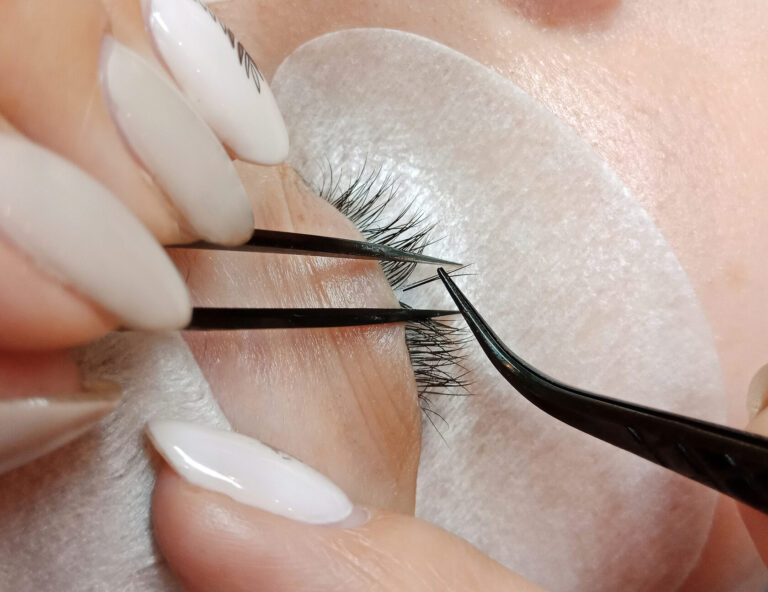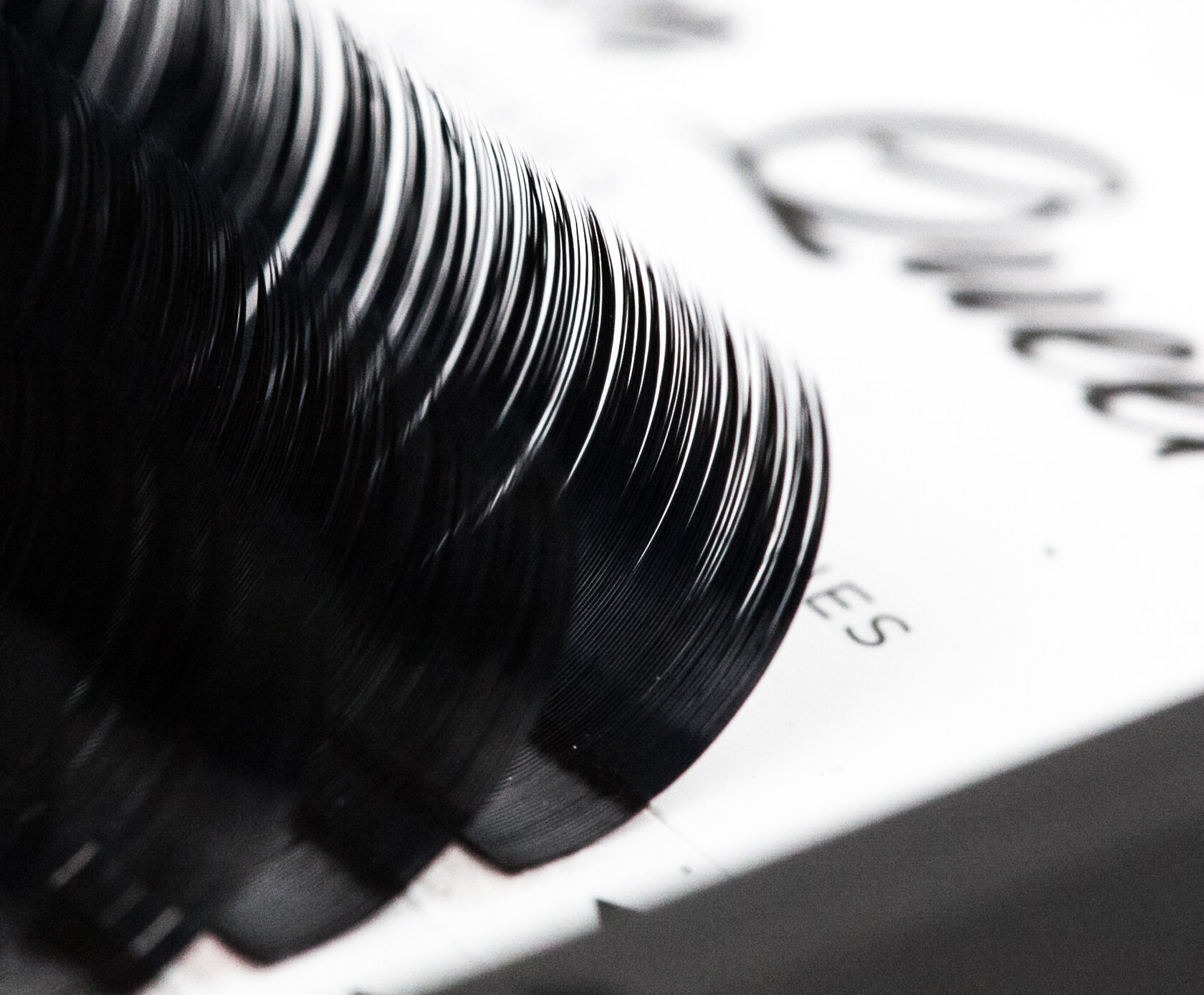
Who still remembers, or maybe still hears, terms like “sable,” “mink,” and “marten”? I once even heard “goat,” and yes, that was still about lashes.
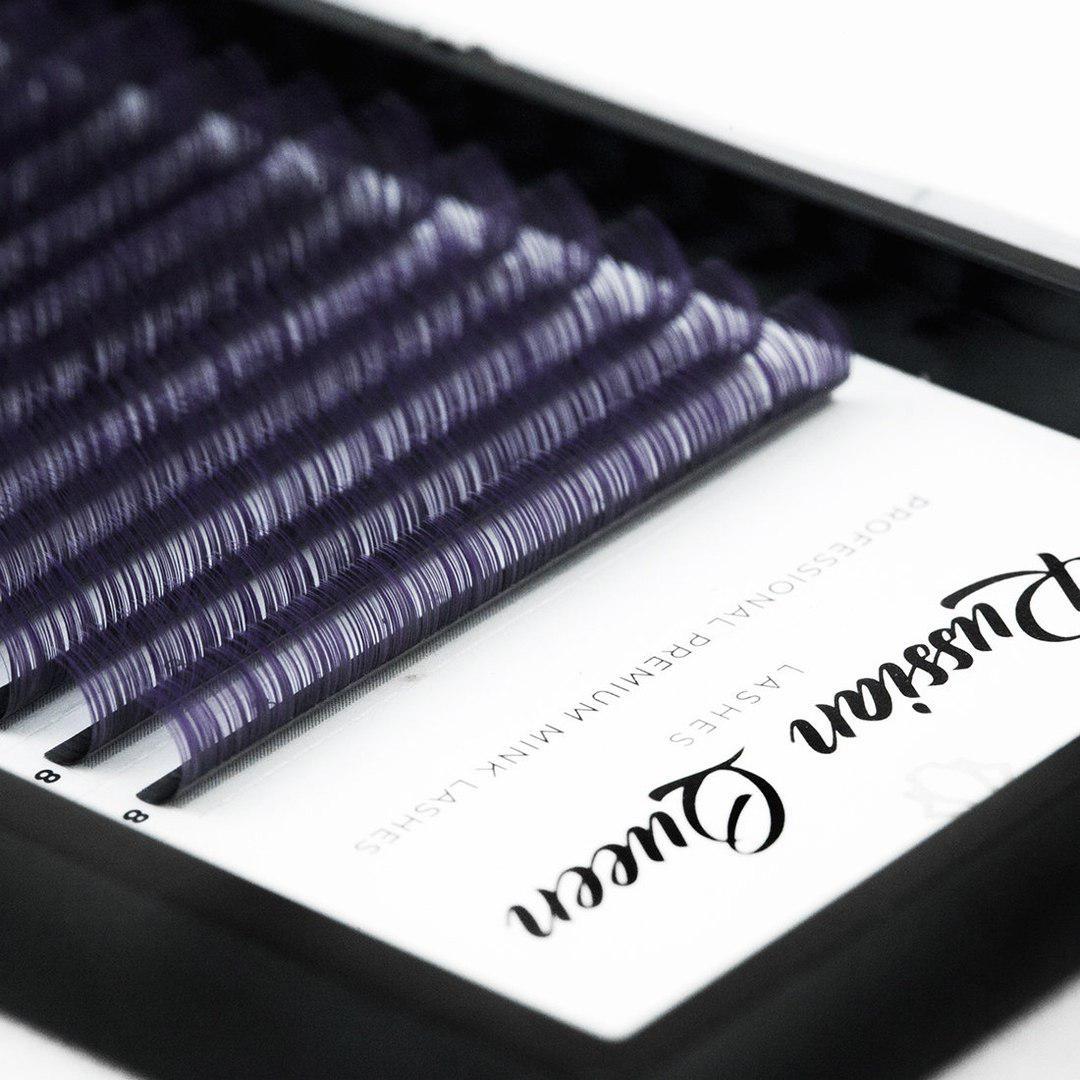
All of these labels were invented more than 10 years ago to sort the material by thickness or by whether it had a glossy finish. Back then, lashes were sold loose in little bags or round tins (raise your hand if you remember), and there were barely any real markings yet. These days those names have mostly faded into the past, and hearing them in someone’s vocabulary is a giveaway that the artist hasn’t taken a continuing-education class in a very long time.
About 95% of lashes today are made from a hypoallergenic synthetic polymer with the official name polybutylene terephthalate (PBT). It’s a type of plastic that’s both very strong and flexible, which is exactly why modern lashes are so comfortable to work with. The material keeps getting refined so lashes get better and better: a clean black with no off-tones, durable, and heat-resistant.
Sometimes lashes that have sat in a tray for a long time start to lose their curl, that happens with low-quality fiber. Same story with hot baths, saunas, blow-dryers, or an open oven: if a blast of hot steam makes the extensions drop their curl, the lash fiber was on the cheaper side.
Lashes made from modern, upgraded PBT don’t do that. It’s sometimes called a “memory effect.” So choose the brand you work with carefully, because fiber that holds its curl is what keeps your sets looking crisp long after the appointment.
You might also like

Can You Drink Alcohol Before Lash Extensions?
When You Shouldn’t Get Lash Extensions
A Fill or a Full Set?
Do You Need Breaks Between Lash Extensions?
Lash lift aftercare: how to make it last

Can You Use a Tanning Bed, Pool, or Sauna After Lash Extensions?
Lash lift or extensions: which to choose

Should You Get Lash Extensions? The Main Risks

Why Do Your Eyes Sting After Lash Extensions?
Lash lift: what it is, the steps, results, and how long it lasts
Lash Extension Aftercare: The Dos and Don’ts
Korean lash lift: how it differs from a regular lash lift
Why Do Lash Extensions Shed?
Lash botox: what it is and how it differs from a lash lift