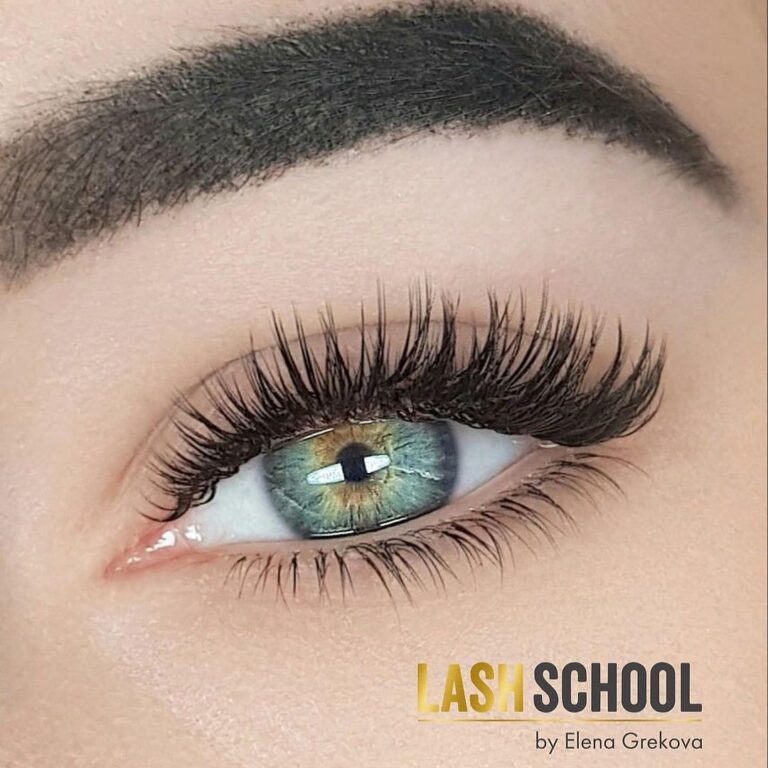
Let’s start with the obvious: the beauty industry loves a new term. And one of the latest buzzwords is adaptive (or adapted) lash extensions. How is it different from regular lashing? And is it actually something unique, or just another marketing move?
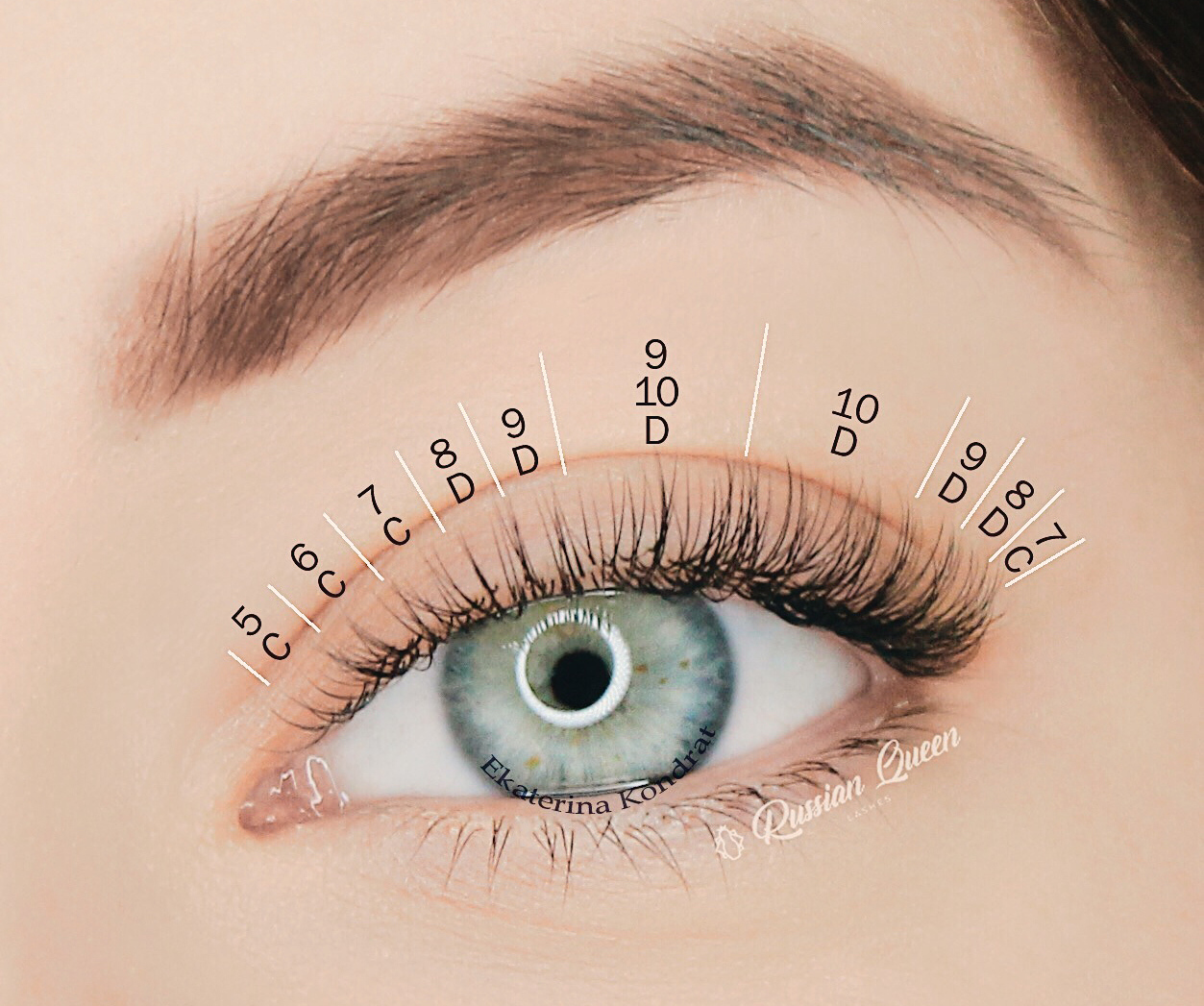
What are adaptive lash extensions?
At first glance, adaptive (or adapted) lash extensions sound like something genuinely groundbreaking. It’s a technique focused on an individual approach, where every lash gets maximum attention. The artist chooses length, thickness, and curl based on eye shape, lash growth phase, and overall condition. If you’ve ever had lashes or fans start to “stick out” after a couple of weeks of wear, adaptive lashing promises to solve exactly that.
The method includes a few key pieces:
- Lash-by-lash precision: the artist picks the right material for each lash instead of doing a cookie-cutter set by one map.
- Accounting for growth phase: lashes in active growth (anagen) need shorter, finer extensions so you don’t disrupt the natural renewal cycle.
- Zoning the eye: for each zone (inner corner, center, outer corner) the artist uses different techniques to create a harmonious effect. For lashes in the telogen phase (the final growth stage), for example, you can use thicker, denser lashes to support volume and density, while anagen-stage lashes (the “babies” in their first growth stage) get very fine, short lashes or fans.
So how is this different from regular lashing?
Here’s where it gets interesting. Regular lash extensions are also a technique that should always account for the client’s individual traits. Any artist who values their work looks at eye shape, lash condition, density, and length. So at first glance, adaptive lashing can look like just another term for a job well done.
So what’s the catch?
Adaptive lashing really just emphasizes an even more detailed, systematic approach. The idea is that the artist doesn’t simply place lashes by a map; they work each zone of the lash line based on the state of each individual lash. That’s what lets the lashes keep a neat look for longer. A set can wear for up to 5 weeks, for example, without feeling like the lashes are starting to stray from the line.
Why does growth phase matter so much?
Lashes go through several phases: anagen (active growth), catagen (a transitional phase), and telogen (the end of growth). When lashing, it matters a lot which stage the client’s natural lashes are in. Put a long, heavy extension on an anagen-phase lash, for example, and it can shed sooner, leaving a “hole” in the lash line. In adaptive lashing, the artist puts short, fine lashes on lashes in active growth, and saves volume fans for the lashes that are already strong and ready for “heavy lifting.” This helps extend wear and avoid strays, while still filling in every lash.
The benefits of adaptive lashing
- Wear time: thanks to precise work with growth phases, adaptive lashing keeps a neat look for 3 to 5 weeks.
- Less load on the natural lashes: careful length, volume, and thickness choices help avoid overload and keep the natural lashes healthy.
- A natural result: even as the lashes grow, the look stays harmonious, and “antennas” and “stray fans” become a thing of the past.
- Flexibility: the artist can tailor the result to the client’s face and eye shape, making the treatment unique to each person.
But doesn’t regular lashing already involve all this?
A lot of artists will ask exactly that, and they’d be right. Any professional set should account for the client’s individual traits. Regular artists also work with different curls, lengths, and growth phases. But adaptive lashing puts the spotlight on deep personalization and a systematic approach to make the result last and minimize damage to the natural lashes.
In essence, adaptive lashing is more an evolution of existing techniques than a revolution. The word “adaptive” underscores a high level of skill and the artist’s flexibility. It can be genuinely useful for clients who want a long-lasting, natural result. But the truth is that any experienced artist has been using these approaches for years, even without calling them “adaptive.”
So when you hear the term “adaptive lash extensions,” it helps to understand that what’s behind it is the everyday work of a highly skilled artist who genuinely cares about the result.
You might also like

Working With the L Curl
LED Lash Extensions: The Method, Pros, and Cons

Colored and Creative Lash Extensions
The Top 5 Trending Lash Effects (With Maps)

Why You Can (and Should) Get Lash Extensions Wet
Trending Effects: Anime, Kim, Kylie, Angel
The Mascara Effect in Lash Extensions
How to Match Colored Lashes to Eye Color
Bottom Lash Extensions
Working the Inner and Outer Corners

Summer Lashing: How to Tame Your Adhesive in the Heat
The Ombre Lash Technique and Shadow Effect
The Winged Eyeliner Lash Effect

Is Hypoallergenic Lash Adhesive a Marketing Myth?
How to Work With Baby Lashes (Anagen Stage)
Competition Lash Looks

Working With Lash Adhesive in Winter
“I Swear I Washed Them!” What to Do When Clients Ignore Aftercare
Lash Porosity and How It Affects Retention