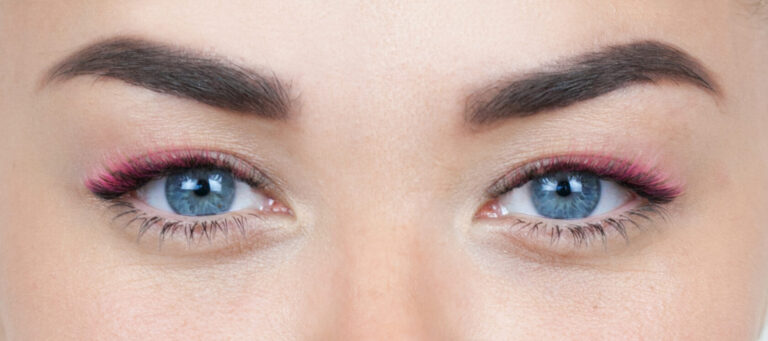
The “don’t get lashes wet for 24 hours” rule is long dead
The big adhesive makers keep improving their formulas, making them more resistant to the environment. Modern lash adhesive starts curing (drying) on the outside first and gradually hardens within.
You’ve probably noticed that a drop of adhesive in the open air starts to dry by forming a skin on the surface first? That’s exactly how it cures on the lashes.
Avoiding water mattered for first-generation adhesives, because moisture could disrupt the hardening of the main component.
But modern forms of cyanoacrylate cure beautifully on contact with moisture, which makes washing not only safe but potentially helpful.
Artists have been washing lashes right after the set for years
Yes, your eyes aren’t deceiving you and there’s no typo in that heading. Artists in the US and Europe have been washing fresh extensions right after the appointment for several years now.
Well, “right after,” not that very second, but about 5 to 10 minutes after the last fan goes on the natural lashes, once the adhesive has definitely set on the outside. It keeps curing from within after that, and this is where it’s important to ask clients to try not to touch their lashes for the next 24 hours, until the adhesive has fully hardened.
So why wash them at all? Curing happens gradually and finishes about two days after the set. The whole time, the adhesive keeps releasing fumes in tiny amounts, but for people prone to allergies that can be enough to feel. Washing is what heads off a reaction to those fumes.
Who even came up with this?
Doug Schoon is a US chemist with thirty years of experience, an international expert who consults for the biggest brands in the nail and lash industries, specializing in the biochemistry and interaction of the products beauty pros use with clients.
Doug Schoon was the first to suggest treating lashes with water after the appointment to deactivate the cyanoacrylate fumes the adhesive gives off, the ones behind client allergies.

How to wash lashes after a set the right way
Many artists already use water-based sealants in their work, and some use primer (the alcohol-based kind), which is fine too. But plain water handles the same job, though it’s better to use distilled or at least boiled water (free of bacteria and living organisms).
So once you’ve set the last lash (fan) on the client’s natural lashes, wait about 5 to 10 minutes (long enough to tidy your station) for the adhesive to dry on the outside, then use a pipette to drop a little water onto the client’s lashes. Or use a nebulizer held close to the eyes. Just make sure the client is comfortable through it.
If you start washing immediately, water meeting live adhesive, still wet on the outside (it looks shiny and damp), causes the well-known shock-curing effect, which instantly leaves a white bloom and makes the adhesive brittle.
Months of experiments by artists worldwide have already shown great results with this method: clients complain of allergies less often, and wear time held steady.
You might also like

Working With the L Curl
Working the Inner and Outer Corners
Competition Lash Looks
“I Swear I Washed Them!” What to Do When Clients Ignore Aftercare
The Ombre Lash Technique and Shadow Effect
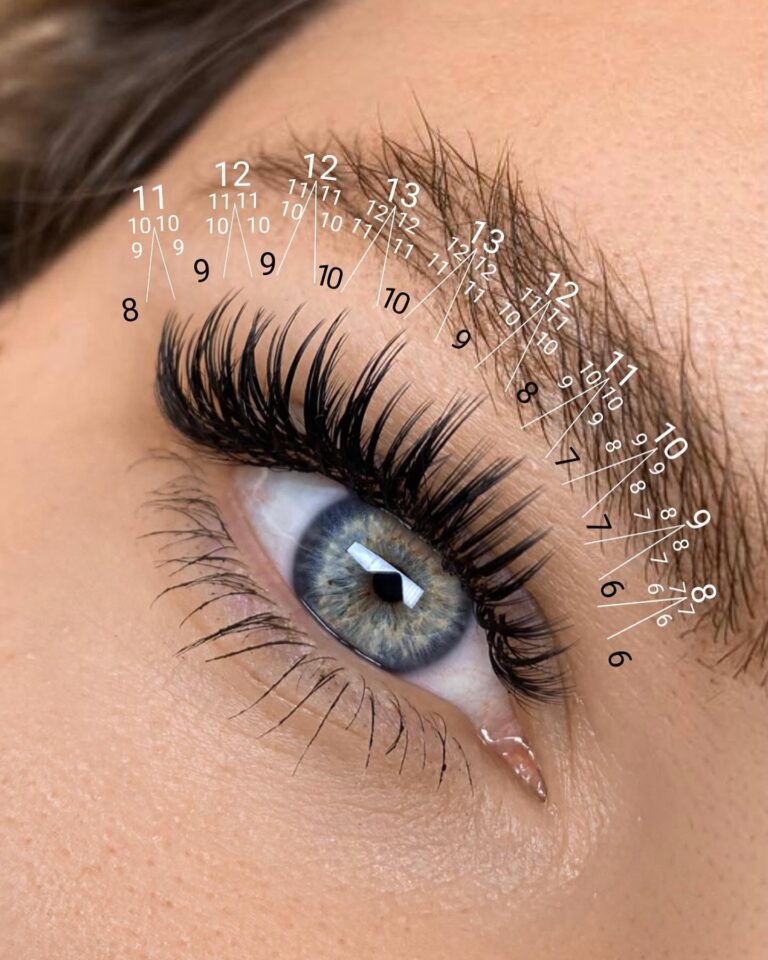
The Mascara Effect in Lash Extensions
How to Match Colored Lashes to Eye Color
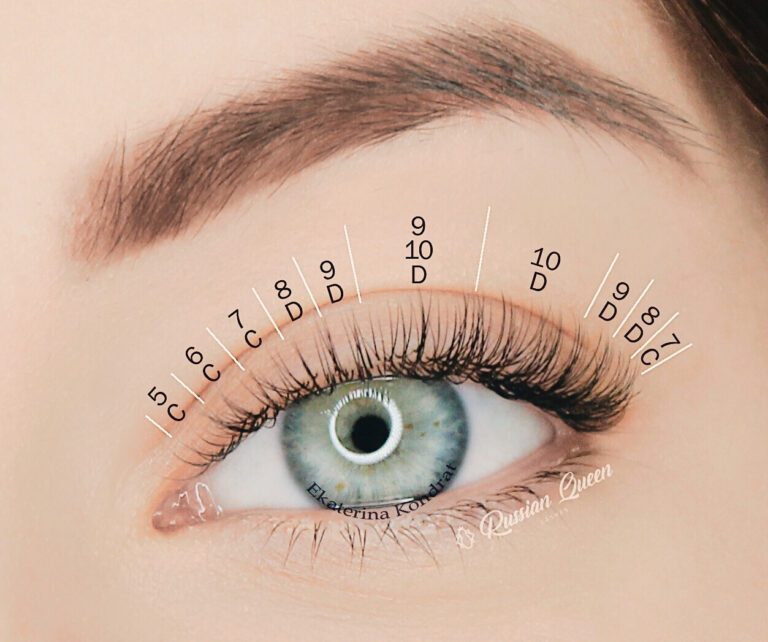
Adaptive Lash Extensions: What They Really Are

The Wet Look Lash Effect
Is Hypoallergenic Lash Adhesive a Marketing Myth?

Colored and Creative Lash Extensions
LED Lash Extensions: The Method, Pros, and Cons
Trending Effects: Anime, Kim, Kylie, Angel
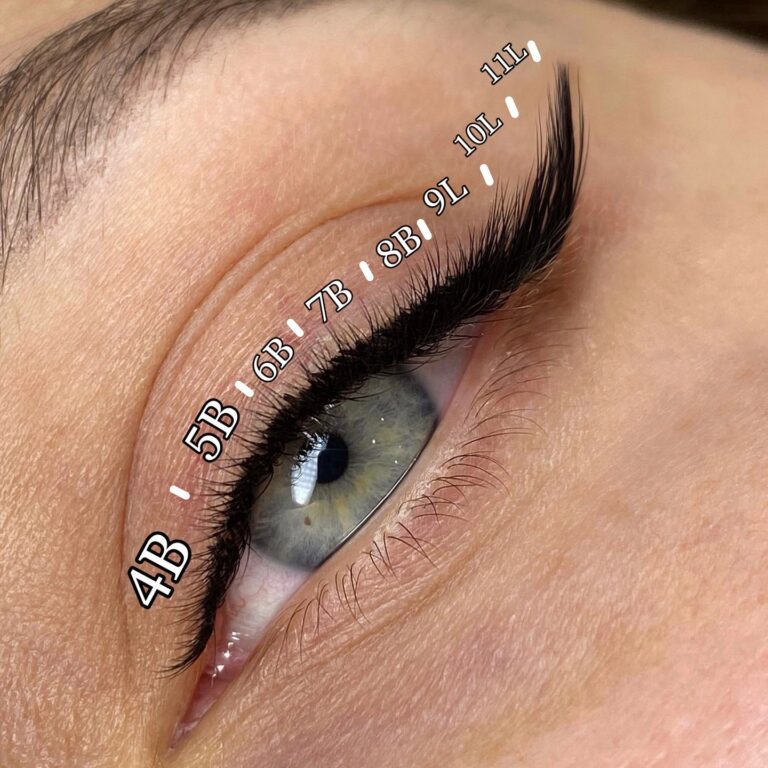
The Top 5 Trending Lash Effects (With Maps)

Summer Lashing: How to Tame Your Adhesive in the Heat
How to Work With Baby Lashes (Anagen Stage)
Lash Porosity and How It Affects Retention
The Winged Eyeliner Lash Effect

Working With Lash Adhesive in Winter