Just about every working adult has run into at least the first symptoms of burnout. And some people may be suffering from it right now without knowing it, making all the wrong attempts to “get back in shape.”
Let’s break down what this syndrome is, where it comes from, what its first signs are, and how to cope with it.

The signs of burnout
Burnout is a state of emotional, mental, and/or physical exhaustion from prolonged stress or stagnation.
The first signals of burnout are chronic fatigue, no longer enjoying work you used to love, scatterbrained-ness, and apathy.
As it worsens, you get: sleep problems, possible overuse of caffeine, nicotine, or alcohol, constant heightened irritability, and a weakened immune system.
Simply put, in advanced cases psychosomatics kick in and people start getting sick. The top issues the “burned out” face: digestive problems, skin issues (stress dermatitis and the like), and constant colds.
The categories of workers who suffer most often:
- Workaholics and perfectionists
- people who’ve been “stuck” in a role (with no way up due to circumstances)
- those in service jobs or professions with constant contact with people
How many did you count for yourself? Especially in the busy months, when you’re so booked there’s no time to breathe?
Preventing burnout
These days we try not to notice fatigue, because we want to keep up with the modern pace, to demonstrate constant capacity and productivity. Those are the values of our time. Which means the first signs of burnout become the norm for us, an ordinary state we can ignore. Sometimes it feels like you could easily snap out of it if you wanted, but the time just isn’t right, you only have to finish a couple more things. In this state, workaholics may take on extra duties, trying to force themselves into a rigid schedule so there’s “no retreat” and everything gets done.
This is fundamentally the wrong approach, because trying to stay productive by loading yourself up with work is the same as trying to lose weight by overeating every day. The apathy and lack of enthusiasm won’t go anywhere, even if you pile on interesting activities. These emotional states are the body’s signals, demanding rest or a change of scenery.
First aid
At the first symptoms of burnout, the first thing to do is not try to motivate yourself, as paradoxical as that sounds. The problem probably isn’t that you don’t feel like working; it’s that you need to feel like working before you start. In these situations, don’t rush to work, create the right frame of mind first. How, if a weekend or vacation is far off and there’s simply no time for long breaks?
When you can, set aside even a few minutes for a mini break, where you focus on your breathing and try to feel all the built-up negativity without trying to suppress it. Then keep working alongside those sensations, in parallel with them. Usually the distracting, irritating feelings pass quickly.
A step-by-step guide to working through burnout (great for prevention too)
Used to working constantly, many people start to feel guilty during rest. Break yourself of this destructive habit. Understand and, if you need to, convince yourself that full work isn’t possible without full recovery.
The urge to drop everything and just sleep is exactly the same evolutionary mechanism as the energetic drive to work after full recovery. Your body knows better when it needs to spend and store energy.

To align your work schedule with your biological rhythm, build good habits. As cliche as it sounds, you’ll feel the improvement if you actually start following these tips.
- Don’t try to take on every client in the world. Choose a number that’s comfortable for you and stick to it. If you’re just starting out and your technique isn’t yet automatic, the process takes longer. For beginners, the average comfortable number is 2 to 3 clients a day. Experienced artists can comfortably handle 4 to 5 on average. And every lash artist is different: for some, four clients a day is easy, while others feel tired after three. Listen to yourself.
- Learn to say “no.” Turning a client down is hard, especially a regular. But remember your health and quality of work come first. Offer an alternative, like booking them the next day or a time that works for you. If that doesn’t fit, say that with your full schedule you can’t take more clients without hurting quality. People respect that.
- Take breaks between clients. And whatever you do, don’t zone out on your phone during the break: get up, stretch your back, do some eye exercises, meditate, or just sit in silence for a few minutes.
- Step outside now and then. No, not to smoke, but to breathe, and ideally take a 15-minute walk. Even the walk to the cafe where you have lunch counts.
- Take care of your physical health overall: get enough sleep, do any kind of physical activity, drink enough water, and try to eat a balanced diet. Learn to meditate to relieve stress and restore your inner balance. You can start with a simple exercise: get comfortable, start breathing deeply, and focus on just two things, the inhale and the exhale. Your thoughts and sensations should be on your breath and nothing else. It’s hard, but with regular practice you’ll feel how nice it is to be able to let your thoughts go instead of following them, and how much it helps you recover.
- Separate personal and work time. Thinking about home problems at work and work problems at home traps you in constant tension and only pushes their solutions further away.
- PRAISE YOURSELF! When you leave work, tidy your station and mentally note how much you got done. And if something didn’t get finished, calmly tell yourself you’ll rest well today and definitely wrap it up tomorrow.
- See a therapist if you feel you can’t cope on your own. Every single person needs help from time to time, even if they only feel a little off. And health starts with psychological stability.
Listen to yourself and your body
Being a lash artist is more than just a profession. It’s your creativity, your energy, your time. For clients to love your work and for you to feel happy, it’s important to find balance. A client cap, breaks, the right schedule, rest, these aren’t weaknesses, they’re your strengths. Take care of yourself, and you’ll see your work start bringing you joy again.
Remember why you became a lash artist
You didn’t come into this profession to:
- text back and forth about bookings all day,
- feel “underappreciated,”
- or sit over content every evening just so there’s “something” in your feed.
You chose this work because you love making things beautiful. Because you love seeing a woman look at herself in the mirror with a little smile: “Wow, is that me?”
Because you know how to give confidence and make eyes shine. And the good news is you can earn well without burnout and without the fear that “this month I’ll make less.”
You just have to let yourself take a little time to figure it out. Find your system. Set up your marketing so it doesn’t drain your inspiration but supports it.
Start simple. And may it all come together!
You might also like

Why Lash Extension Reviews Matter

How Much Can You Earn as a Lash Artist? Real Numbers, Not Fairy Tales

How to Win Back Clients

A Lash Artist’s Portfolio That Sells
To Wait or Not? What to Do When a Client Is Late

How to Start a Fight by Photographing Your Client

How Can a Lash Artist Earn More?

Off-Limits Topics: What Not to Discuss With a Client
How to Make a Beautiful Instagram as a Lash Artist
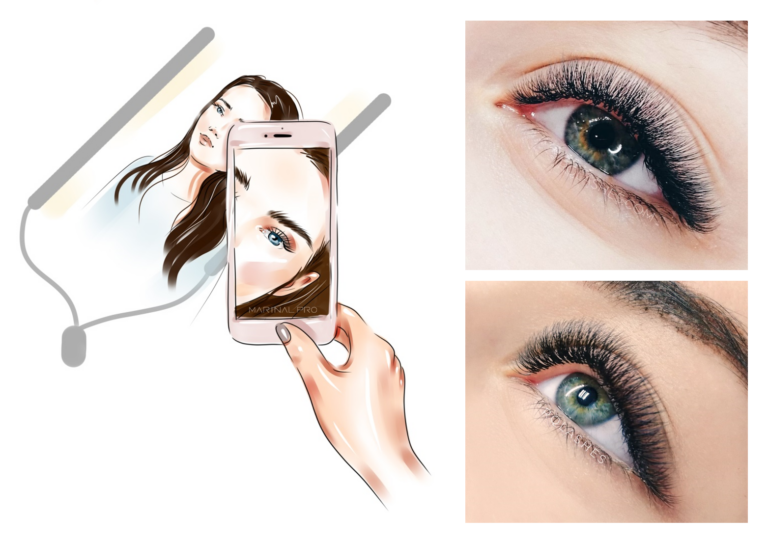
Free Guide: The Best Angles for Lash Photos

The Top 7 Ways to Advertise Your Lash Services

Where to Find Lash Extension Clients

How to Deal With Difficult Clients: A Psychologist’s Tips

Your Own Lash Studio: The Pros and Cons

Your Salon’s Instagram Profile: From the Basics to the Details

10 Instagram Content Ideas for Lash Artists
The Secrets of Great Client Service for a Lash Studio

Negative Reviews: How to Respond

The 7 Best Apps for Editing Face and Eye Photos on Your Phone

5 Free Ways to Attract Clients for Lash Artists and Salons