Why your portfolio is the foundation of sales
An artist’s portfolio isn’t about “looking cute.” It’s not aesthetics for aesthetics’ sake at all. It’s about money, bookings, and a fair price for your work.
If you don’t have a clear, memorable portfolio, the client has no idea what they’re paying for. They open your profile, see no difference between your work and a hundred others, and just leave.
And not because you’re a bad artist. Because they didn’t get what makes you special, or how they’ll look after your work.
People don’t read “I use premium materials”; they don’t care that you have 5 certificates. They choose with their eyes. And if they don’t see the result they want for themselves, you’re invisible to them.
Essentially, a good portfolio is when someone scrolls your profile and thinks: “Yes, I want that. I want to go to her.” Even if she wasn’t even planning to get lashes. That’s it. She’s either already thinking about it or booking on the spot. No extra words, discounts, or persuading.
Without a solid portfolio, you’ll always be explaining “why you cost this much,” making excuses, giving discounts, talking people into booking. But with a portfolio that speaks for itself, you just open your DMs and see: “Hi, could you tell me when I can book?”
How to set up your first portfolio photo shoot
The main mistake is thinking you need studio equipment, a photographer, a makeup artist, and three days of prep for a shoot. No.
A clear sense of what you need, what to focus on, and an understanding of how light and angles work; that’s where you can start. Here’s a step-by-step guide:
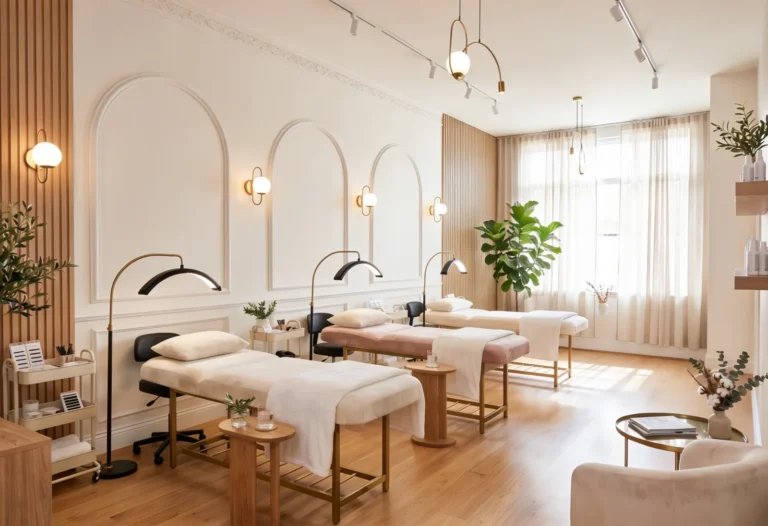
Goal. Don’t just take “after” photos. Think about what you want to show. For example: that you can work with different eyes; that you do classic lashes or trendy sets; that your space is clean, neat, aesthetic, and cozy.
Plan. A photo shoot is part of the job too, so try to treat it as seriously as your work. Especially since you don’t shoot a portfolio every day. Prep a plan: How many models? Which effects to emphasize? What angles will you shoot? Will there be “before” and “after”? What else is important to capture? Portraits, not just eyes, and the result after wear (you can ask a model to come back in a couple of weeks).
Choosing models. You don’t need to find perfect girls with perfect features. You need real people you can use to show variety. A pair of almond eyes, someone with a hooded lid, someone deep-set. That gives a “living” portfolio, not a glossy magazine.
And potential clients will see themselves in them. For example, they’ll realize trendy anime lashes suit not only doll-type faces but all kinds. Yes, it’s worth choosing pleasant-looking models, but you don’t need girls straight off a magazine cover.
Equipment. A phone with a decent camera, your work lamp or daylight, and a clean background, that’s it. That’s enough.
Keep it simple. Don’t overcomplicate. A normal shoot by a window, a calm background. The main thing is for the photo to be sharp and clean, with the result clearly visible. No visual noise.
And remember: you’re not making an art object. You’re making a tool that has to sell. At the start, the most important thing is to do it, not put it off.
Prep details: from model requirements to the background
Okay, you’ve decided to do a shoot. Now you don’t just want to “take a photo,” you want to do it so the shot actually works. So someone scrolls and thinks: “Wow, gorgeous. I want that.” This is where details matter.
What matters in models. Try to choose people you can use to show different effects. Again, they don’t have to be stunners. Your job is to show that you can work with different eyes, choose the right shape, and make it beautiful in real life, not just in a photo.
Ideally: neat brows, skin in decent condition (so you don’t spend an hour retouching), no heavy makeup (it adds noise in the frame). Explain ahead of time how to prep: a clean face without tons of foundation, neutral but stylish clothes, and nice hair. That’s it, nothing more.
Background. The most common thing that kills even great work is a cluttered background. When there are tweezers, chargers, a mug, and someone’s bag lying around in the back, it looks about as unappealing as it gets.
If you’re shooting a client’s portrait, make sure there’s no visual clutter behind them. Or use a piece of fabric to cover the mess.
And don’t overload it: no candles, flowers, and signs. Styling a shoot is hard, so it’s better to stay minimal and develop your own visual style over time. And that’s usually in the details: angles, color grading, your brand color. The first time, just keep it simple and clean so the work is the center of attention.
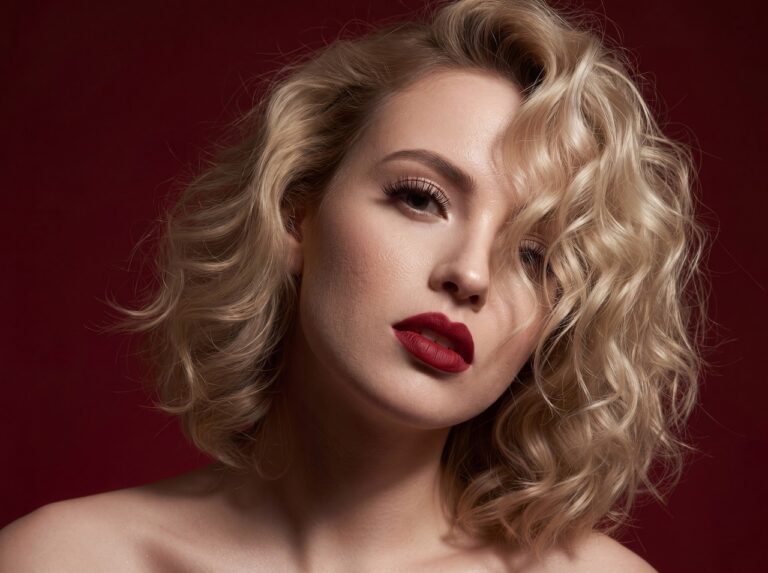
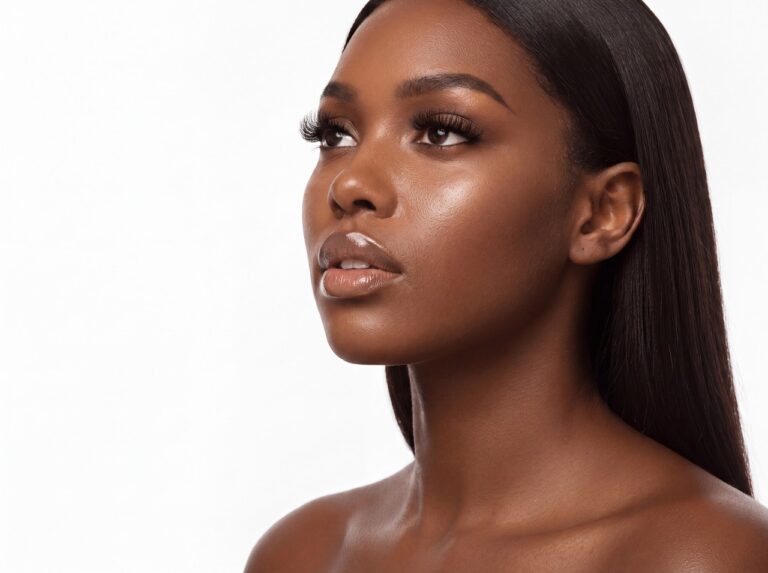
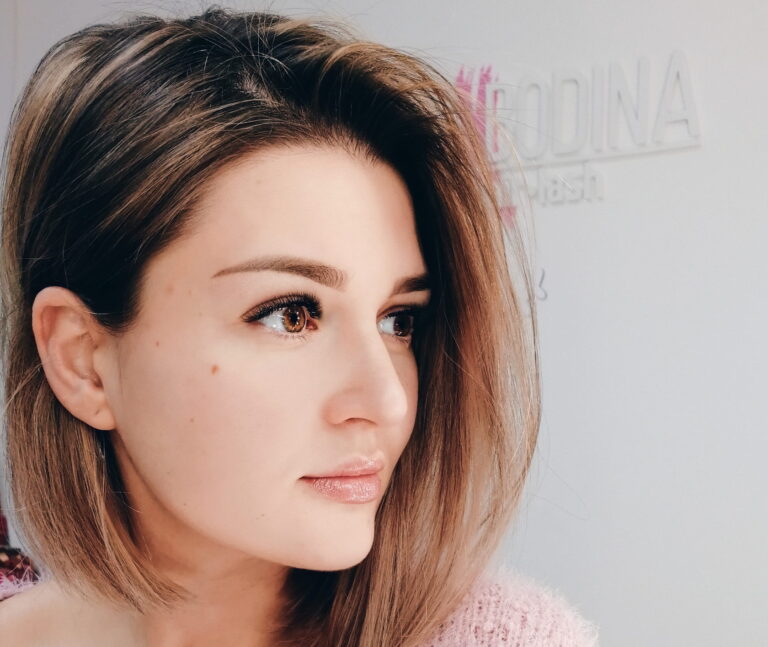
The overall feeling. A portfolio should say not “look at these lashes,” but “look how she looks with them.” It’s a nuance, but an important one. Because the client isn’t thinking about thickness and curl. She wants to look “like the photo.” So make sure the frame has cleanliness, neatness, polish, and above all a lively, pleasant gaze.
The right lighting and angles to show off your work
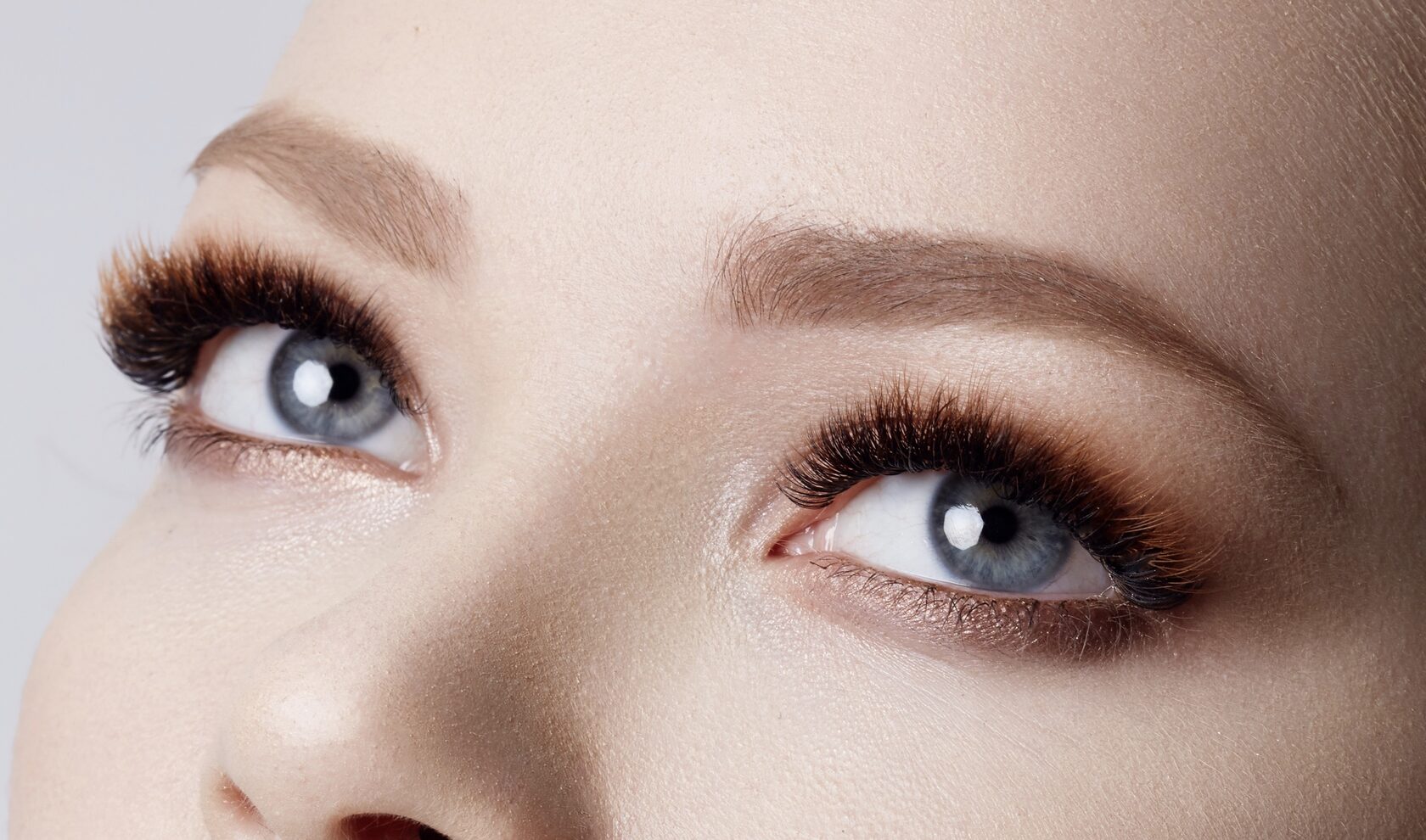
If the light is wrong and the angle is bad, even perfect lashes will look unappealing. The light should be soft, not create glare on the skin, and emphasize the volume of the lashes.
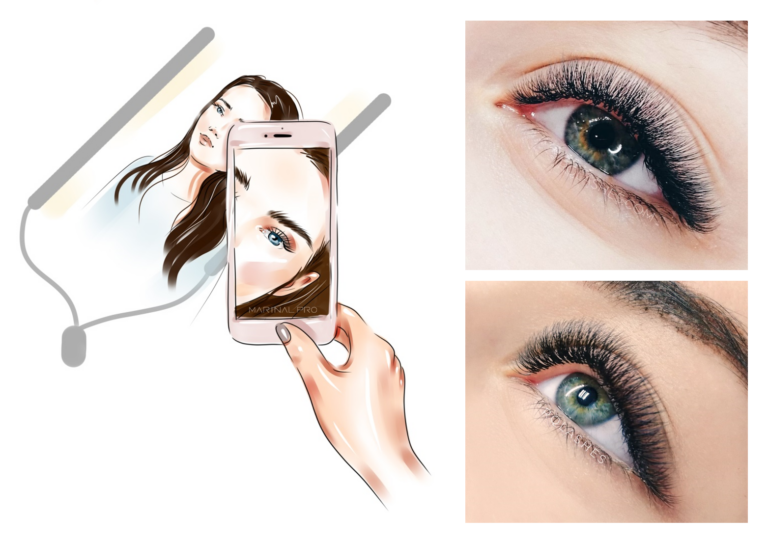
As for angles, there are a few proven ones that really work. They show length, curl, and density and create that “wow, I want that” effect.
So you don’t have to guess how to shoot, we made you a mini guide with diagrams. Grab it: “The Best Angles for Lash Photos”!
How to edit your lash work photos
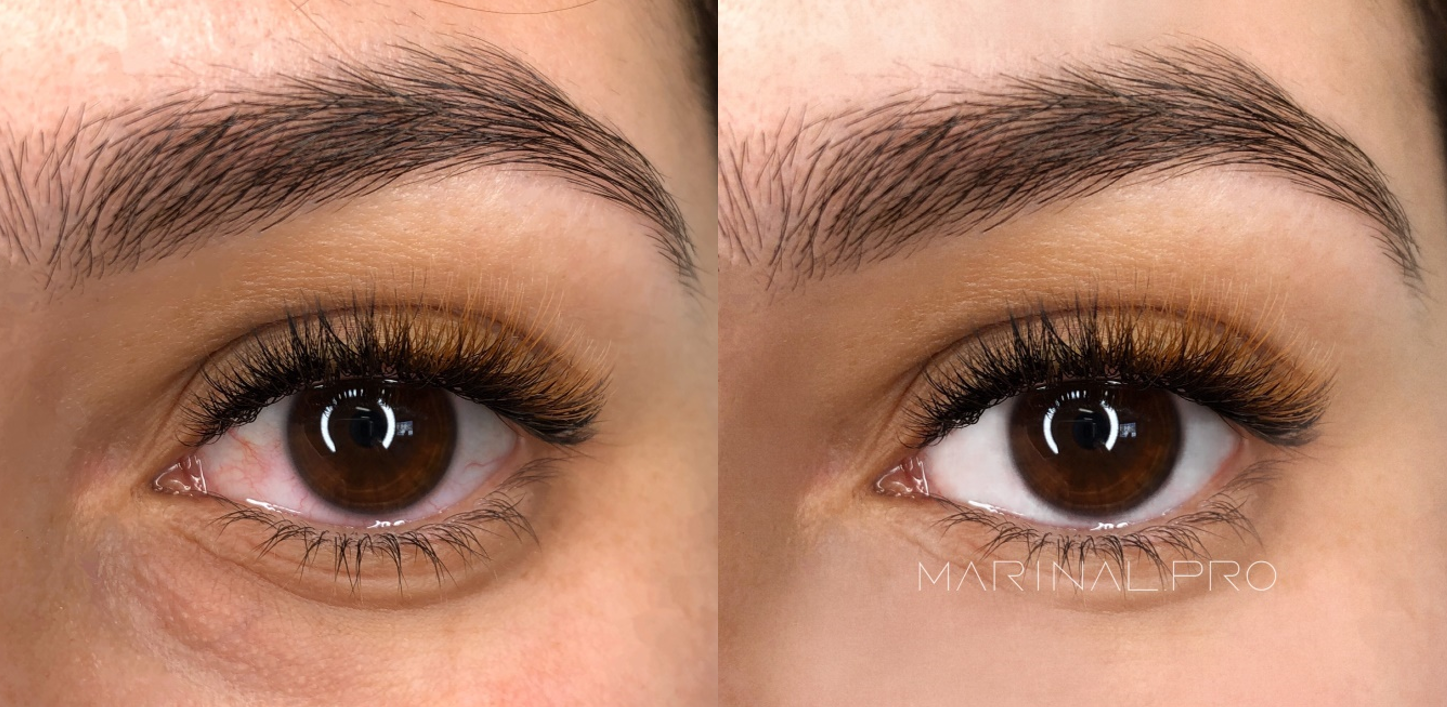
The main thing: don’t overdo it. The photo should look natural and build trust. People want to see the real result, not a Facetune fairy tale.
What’s definitely worth doing: even out light and shadows (Lightroom or Snapseed), remove redness and dust, add shine to the eyes, and smooth skin texture, but gently. What not to do: don’t change the model’s face, don’t apply Facetune, and don’t drag editing out for an hour, it’s just a technical step, not art. Find the 7 best photo apps made for lash artists in this article!
Hire a photographer or shoot it yourself?
If you can’t photograph your own work, you’re losing money. Every day. Because every strong piece you didn’t show properly means fewer potential clients who want exactly what you do, who might love your vision of beauty.
The skill of shooting is part of the profession. Everyone has a phone in hand now. The camera’s decent. You can set up light in 2 minutes. You either know how to show your work, or you lose out to people who can shoot but can’t even work adhesive properly.
And shooting isn’t hard. You don’t need to become a professional photographer. All it takes is understanding the basic settings and fundamentals of shooting, and above all understanding what hooks potential clients. And a professional photographer won’t tell you that.
A photographer is a tool. You bring one in when you’re doing a creative portfolio refresh, want cool content for marketing, or work at an above-average price and sell not just lashes but a look and a brand. But even then you have to understand what and how to shoot. Even beauty photographers focus on the aesthetics of faces and don’t always know how to shoot lashes beautifully.
A wow portfolio isn’t a luxury
If you really want clients who respect your work, pay without objections, and come not because it’s “cheap” but because they want you specifically, then your portfolio has to work. It’s your main sales tool.
You can do perfect sets, but if it isn’t visible, no one buys it.
You can be talented, but if the visuals don’t hook people, then neither do you as an artist.
People see tons of content every day, and you either make an impression or you don’t.
And that impression is a strong portfolio.
Want a rush on your services? Then your visuals have to convey your level. And that’s in your hands!
You might also like

How to Deal With Difficult Clients: A Psychologist’s Tips

How Much Can You Earn as a Lash Artist? Real Numbers, Not Fairy Tales
Where to Find Lash Extension Clients
Free Guide: The Best Angles for Lash Photos

10 Instagram Content Ideas for Lash Artists
Off-Limits Topics: What Not to Discuss With a Client
5 Free Ways to Attract Clients for Lash Artists and Salons
How to Make a Beautiful Instagram as a Lash Artist
The Secrets of Great Client Service for a Lash Studio
The 7 Best Apps for Editing Face and Eye Photos on Your Phone
How to Start a Fight by Photographing Your Client

Why Lash Extension Reviews Matter

Your Salon’s Instagram Profile: From the Basics to the Details

Burnout in Lash Artists

Negative Reviews: How to Respond
Your Own Lash Studio: The Pros and Cons

How Can a Lash Artist Earn More?
The Top 7 Ways to Advertise Your Lash Services
How to Win Back Clients
To Wait or Not? What to Do When a Client Is Late