A lash artist’s job isn’t only lashes, it’s also dealing with clients. A difficult client can ruin your mood, shake your confidence, and even kill your drive to work. But what if you could prepare for these situations? Today we’ll go through real examples and a psychologist’s tips on handling clients like these.

The client who knows better
The situation: A client comes in with a photo of perfect lashes and says, “I want these!” But her natural lashes are thin and short, and the look in the photo won’t suit her. You explain that this result isn’t possible, but she insists this is exactly what she wants.
How to respond: Stay calm. Unrealistic expectations often come from a client not being fully informed. Explain in plain terms. For example: “Your lashes are as unique as fingerprints. We can make them prettier, but recreating the exact result from the photo isn’t possible. I’ll suggest a look that plays up your individuality.” Offer an alternative. For example: “I can do a light volume with an accent at the outer corner so the lashes look fuller, but still harmonious for your eyes.”
The client who’s never happy
The situation: After the appointment, the client starts hunting for flaws: “Why are the lashes so long here? And this isn’t the curl I wanted!”
How to respond: Don’t take it personally. Most of the time these clients aren’t unhappy with you specifically; they just have a habit of looking for faults. Show you’re open to a conversation. Say: “Let’s take a look together. It matters to me that you’re happy. If something’s bothering you, I can fix it.” Hold your boundaries. If the client keeps insisting everything’s wrong despite a perfect result, you can gently remind her: “The lashes were done by the book and to your requests. You may just need a little time to get used to the new look.”
The client who’s shaking you down
The situation: You did your work and the client left happy. But a few days later she calls with complaints: “My eyes are swollen, the lashes fell out, everything’s itchy!” She claims it’s all your fault and that a doctor said she’s allergic to the materials. But of course she isn’t obligated to show any proof.
How to respond: Don’t give in to emotion. Even if you’re sure you did everything right, a combative client can be genuinely stressful. Assess the situation. If she starts threatening to report you to a review site or a licensing board, or take other action, be ready for two options. Option one: engage in the conflict, defend your reputation, and be ready for the emotional cost. Option two: refund her to avoid extra trouble. Tell her: “I’m so sorry it turned out this way. Let me refund you so you can see another artist.” Add her to your blacklist. If you can see she’s just trying to exploit the situation, it’s best not to work with her again. Refund her, take a breath, and forget it. Your peace of mind is worth more. Always.
The client who’s always late
The situation: A client consistently shows up 15 to 20 minutes late, but still demands the full service.
How to respond: Set clear rules. For example: “I understand things come up, but if you’re more than 15 minutes late, we have to shorten the appointment or reschedule.” Remind them of the consequences. Say: “If we start late, I won’t have time to work the details, and the result may not be as flawless as you’d want.” If she’s more than 20 to 30 minutes late, you can decline the service, because you simply won’t have time to finish. Be consistent. Make an exception once and you may find the client expects it every time.
The negative, complaining client
The situation: From the moment she walks in, the client complains about everything: the long drive, the music, it’s cold, it’s hot, the chair is uncomfortable. Her whole mood is negative, and it feels like she wants to dump her emotions on you.
How to respond: Stay neutral. Don’t get pulled into the negativity, but don’t dismiss the complaints either. For example, say: “I’ll do everything I can to keep you comfortable. If something’s off, let me know.” Change the subject. Try asking something unrelated: “How was your day?” “Have you had any treatments like this before?” Set a boundary. If the client keeps complaining, remind her: “Let’s focus on the process. For you to love your lashes at the end, I need you to lie as still as possible.”
The overly chatty client
The situation: The client wants to talk the whole time, asks questions, gets distracted, opens her eyes, which gets in the way of the work.
How to respond: Explain why stillness matters. Say: “For the lashes to come out perfect, it’s important that you relax and keep your eyes closed. I’ll tell you everything you want to know after the appointment.” Create a relaxing atmosphere. Put on calm music and invite the client to use this time as rest. Say: “These two hours are just for you. Close your eyes and relax.” Be firm if you need to. If the client keeps getting distracted, say: “I want to do my best work, and for that I need you to stay still.”
The “forgetful” client
The situation: After the appointment, the client suddenly says she left her money at home. Maybe she really is forgetful and constantly loses her keys and misplaces important things. But there’s a chance she just didn’t plan to pay.
How to respond: Stay calm and polite. Even if it feels intentional, don’t show irritation or displeasure. Offer solutions. Say: “You can pay online right now, by Venmo, Zelle, or card. If you can’t access an app, maybe someone close to you can help.” Get an IOU. If the client claims she’ll pay later, ask her to write an IOU for the service amount. Explain: “This is just for my peace of mind; I’m sure you’ll pay it all.” An IOU isn’t legally binding, but psychologically it’s harder to ignore a written promise. Prevention. Before the appointment, casually confirm how she plans to pay so you know the money’s on hand and avoid unpleasant surprises.
The client who ignores your advice
The situation: A client complains that her lashes are shedding fast and blames the artist. But you know she isn’t following the aftercare rules, because she already mentioned using an oil-based makeup remover.
How to respond: Remind them of the guidelines. For example: “I always try to do quality work, but for the result to last, it’s important to follow the aftercare. Did you maybe use something oily to remove your makeup? That can weaken the adhesive.” Explain again. Sometimes a client needs to hear it more than once. Say: “To keep the result, avoid oils and rubbing your lashes. These tips will help you enjoy the look longer.” Keep a professional tone. Avoid accusations. Instead of “You’re not following the rules,” say: “Let’s figure out what could have affected the result.” Also make sure your clients know the aftercare rules, for instance by giving them cards. We put together a ready-made client card you can download here.
The main principles for handling difficult clients
1. Stay professional. Even if a client is rude or behaves badly, your job is to stay calm and polite. 2. Don’t take everything personally. A client’s behavior is often about their life circumstances, not you. 3. Set boundaries. Politeness doesn’t rule out firmness. Remind them of your booking, payment, and conduct rules. 4. Learn to end the conversation. If a client is too emotional, gently wrap it up: “I understand how you feel, but let’s focus on the result.”
Difficult clients are part of the job, but you can handle them. Every artist runs into tough clients, and it’s exactly your composure and professionalism that make you stronger. Hard situations are experience that helps you grow and get better. The main thing is to keep your confidence, remember your boundaries, and of course keep loving what you do. Because difficult clients come and go, but your skill stays with you.
You might also like

The 7 Best Apps for Editing Face and Eye Photos on Your Phone

How to Start a Fight by Photographing Your Client

Off-Limits Topics: What Not to Discuss With a Client

5 Free Ways to Attract Clients for Lash Artists and Salons

Your Own Lash Studio: The Pros and Cons

How Much Can You Earn as a Lash Artist? Real Numbers, Not Fairy Tales

Your Salon’s Instagram Profile: From the Basics to the Details

Why Lash Extension Reviews Matter
Free Guide: The Best Angles for Lash Photos

The Top 7 Ways to Advertise Your Lash Services

Negative Reviews: How to Respond

10 Instagram Content Ideas for Lash Artists

Burnout in Lash Artists
How to Make a Beautiful Instagram as a Lash Artist
The Secrets of Great Client Service for a Lash Studio
To Wait or Not? What to Do When a Client Is Late
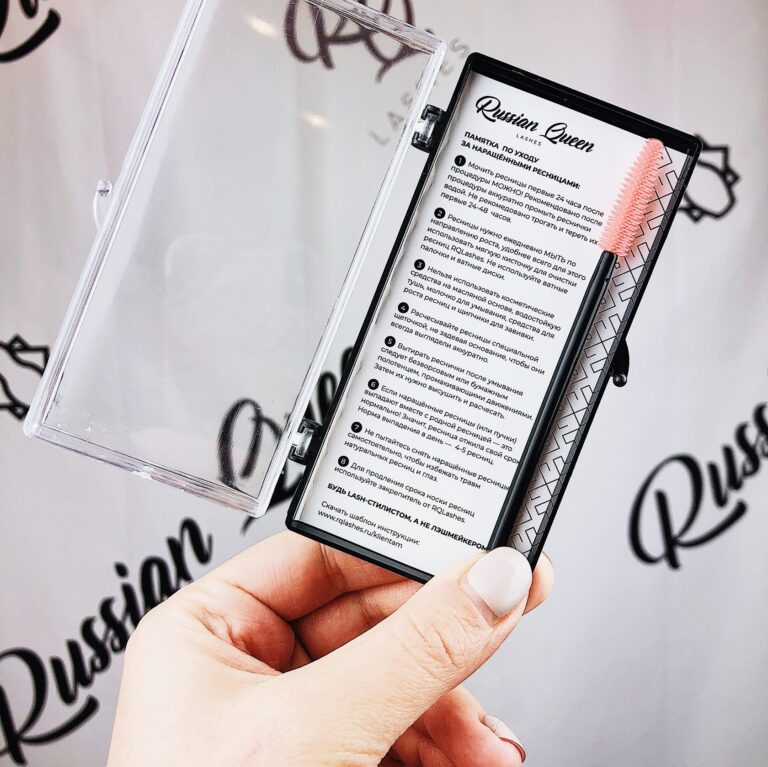
Download a Client Lash Aftercare Card

How Can a Lash Artist Earn More?

How to Win Back Clients
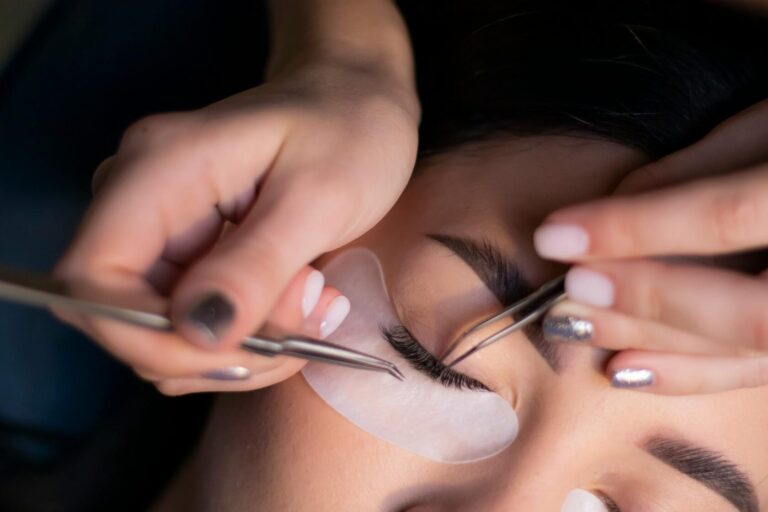
Where to Find Lash Extension Clients