At the start (and even in the growth phase), you can build a flow of clients from free marketing channels if you understand how to work them. Here are 5 ways that get real results.
1. Set up a business listing on maps and directories, and update it regularly
This is one of the most underrated but powerful channels. People searching “lash extensions near me” or “lash studio + your area” are already ready to book; they don’t need warming up.
What to do:
- set up a listing on Google Business Profile, Apple Maps, and Yelp
- add fresh photos, reviews, hours, and a booking link
- every couple of weeks update something (a photo, a post, a promo), which signals to the system that the business is active so your listing climbs in results.
At first there may be no result. But in 2 to 3 months, the listing starts working for you.
2. Set up your salon or personal profile properly
There’s no point posting dozens of stories if someone lands on your profile and can’t tell what they’re looking at.
Your layout and profile logic are what matter. It should answer the basic “where?”, “what?”, “how much?”, and “why you?”.
Check:
- are your current prices and open slots there?
- Can people see your style, your signature, your vibe?
- Is it clear how to book (and where to message)?
- Is it clear what you’re great at (natural looks? retention? speed?)?
A clear profile bio and a dozen posts convert better than 30 reels with no structure.
3. Delight your clients, and show it
People don’t just want lashes. They want atmosphere, care, and the feeling of “I matter here,” “this is my happy place,” “cool girls come here and cool girls work here.”
And potential clients want to see value beyond just the service. Examples:
- client days with treats, music, and mini bonuses
- a referral perk for both the referrer and the new client
- aftercare gifts.
It’s not enough to do it, you have to show it in a story, post, or highlight; that’s part of marketing too.
4. Swap audiences with local businesses
You don’t need to be a marketer here. Just observe your neighborhood. Do you get coffee at the cafe next door? Maybe your potential clients go there too. Offer a trade:
- buy a coffee, get 10% off your first lash set with me
- come to me, get a free coffee from them.
That’s not just new-client acquisition but loyalty for current ones: “Look, I went to my lash artist and got a free coffee at a cute cafe!”
5. Grow your reach, the more visible you are, the more potential clients
When you’re looking for new clients or rebuilding your base, reach genuinely matters. If people don’t see you, how can they choose you? It’s that simple. What helps:
- a trade with micro-influencers who share your values
- cross-promotion with a nail, massage, or brow artist friend
- expert stories (share value in a fun, light way instead of lecturing: how to care for lashes, how to pick an effect, how to choose an artist, what to avoid).
These are all free steps, but they build reach. Which means an influx of new followers, likes, interest, and of course bookings.
And what to avoid in your advertising
Almost every beauty salon makes some pretty common mistakes when they set out to advertise. Today we’ll walk through them one by one to spare you wasted money and time.
Your target audience is defined wrong (or not at all)
Who are your clients? Students or businesswomen? Moms or career-focused women? Each audience segment needs its own ad or promo offer. Don’t try to save by making one ad for everyone; it won’t get you the success you want. Better to make several ads than to fire a cannon at sparrows.
You picked the wrong advertising platforms
This mistake is like the first. In advertising, the main thing is that the right people hear you. A VIP salon shouldn’t advertise in discount stores, and a youth-focused salon shouldn’t advertise in business centers. The right platforms are always easy to pick once you’ve done the first step, because as soon as you define your audience, you can always figure out where it “lives.”
Your salon has no USP
Your salon has to stand out! Don’t imitate anyone; start with the fact that you’re unique. A salon should have its own USP, a unique selling proposition that sets you apart from competitors. Then no comparison is scary, because it’ll be in your favor. Say you want to claim the VIP niche; what should you emphasize? Service, of course! Make sure your artists always look polished, friendly, and warm, that the studio is clean, cozy, and playing nice music. Better yet, offer your clients sparkling wine! And for the girls who are more into wellness and Pilates, have a fresh juice ready. Trust me, a lot of clients appreciate the gesture. 😉
Your salon’s positioning (or lack of it)
Okay, you want to claim a certain niche, probably upper-mid or premium. You launch ads, but for some reason it’s not wealthy clients coming to you but students, who find the price too high and never book. Why did that happen?
You may be positioning yourself and your salon wrong. Have you thought through all the details, from branding to your communication style and messaging? Do your salon’s interior and service match the premium segment?
It often happens that you’ve defined your desired audience, chosen the right ad platforms and message, but you’re still working in conditions that don’t match your desired audience’s expectations, so clients either turn back on the way to booking or leave unhappy with the quality of service and setting, posting negative comments about your salon.
No advertising at all
There are salons that are fine with their current number of clients. But you understand that’s not forever, right? And besides, who doesn’t want to start earning more? More clients, more artists, higher income.
Maybe you’re already very popular, but the people who just moved to town don’t know it. And what if your neighboring competitors suddenly up their service and launch a loyalty program, and your clients swap your salon for theirs without a second thought? Or an employee leaves and takes some clients with them? (Though there’s a very simple, effective way to avoid that, but maybe you don’t know it yet.)
Bottom line, friends: in one form or amount, everyone needs advertising, always. And it’s highly advisable to do it regularly, using different channels, comparing the returns and optimizing your spend, and then you’ll get maximum effect at the lowest possible price.
What to do? Understand your client’s deeper need and use it in your advertising
The most important task you have to complete before running any advertising is defining your target audience and working with its needs: the problems you can directly or indirectly solve with your products or services.
Here’s a little secret: your clients don’t come to you for lash extensions. Your clients come for you to solve their problem, fulfill their wish, and “deliver” certain emotions.
Say one of your audience segments is a mom with a child or kids under 3. What does she want, and how can you use that in your salon’s positioning?
A) She has little time for herself, because kids this age start crawling and walking, put everything in their mouths, and need constant watching. She wants to leave the house for a couple of hours, take a break from the child and chores.
Ad message: “Tired of sleepless nights with your little one? Come get your lashes done! While we give you a volume set, you’ll sink into deep relaxation and rest to soft music.”
B) She worries her husband will start straying or just leave for someone else, because this past year she doesn’t look the way she used to. She wants to feel not only like a mom but like an attractive woman for her husband.
Ad message: “Your baby used to keep you up at night, but after a lash set at our salon, your husband will!”
C) She’s short on connection and fresh experiences, because she spends most of her time home with the child or out with other moms just like her. She wants a change of scenery, to chat and have a nice time.
Ad message: “At our salon you’ll not only get quality service but also dive into a lovely girls’ atmosphere where you can always chat and have a great time!”
And of course, it’s best to choose themed platforms for ads like these: parenting Facebook groups, kids’ centers, cooking blogs, mom influencers. The return on ads like that will definitely be higher than if you just ran targeted ads at all women aged 21 to 35.
You might also like
The Secrets of Great Client Service for a Lash Studio
How to Make a Beautiful Instagram as a Lash Artist
To Wait or Not? What to Do When a Client Is Late

How to Deal With Difficult Clients: A Psychologist’s Tips
How to Win Back Clients
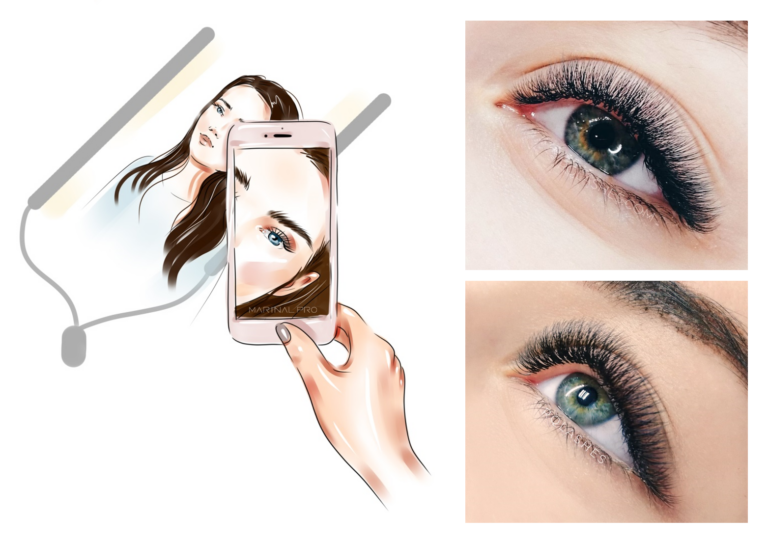
Free Guide: The Best Angles for Lash Photos
Why Lash Extension Reviews Matter

The 7 Best Apps for Editing Face and Eye Photos on Your Phone
Where to Find Lash Extension Clients

10 Instagram Content Ideas for Lash Artists

The Top 7 Ways to Advertise Your Lash Services

Your Salon’s Instagram Profile: From the Basics to the Details

How Can a Lash Artist Earn More?

Negative Reviews: How to Respond
Off-Limits Topics: What Not to Discuss With a Client

A Lash Artist’s Portfolio That Sells
Your Own Lash Studio: The Pros and Cons
Download a Client Lash Aftercare Card

How Much Can You Earn as a Lash Artist? Real Numbers, Not Fairy Tales
How to Start a Fight by Photographing Your Client