Let’s be honest: no matter how hard we try, lash extensions can’t last forever. Why? Natural lashes run on their own growth cycle. When a lash reaches the end of its cycle, it sheds, and the extension (or fan) goes with it. On average a person loses 3 to 7 lashes a day. Poor nutrition, low vitamin levels, and other health issues can make that shedding pick up, and there’s nothing you can do about that part.
What you and your client absolutely can do is stretch the wear time as far as it will go and keep the set looking its best. Let’s break down how.
How long lash extensions actually last
Wear time depends on a lot of factors, but there are some rough averages. A classic set usually holds up for about a month, and a volume set a month or longer.
Why the range? It comes down to individual traits and conditions:
- Weight and technique. The lighter the material, the longer the result lasts.
- The client’s own lashes. Everyone has a different amount and density of natural lashes, and a different rate of turnover.
- Adhesive quality and amount, and your placement of the lash or fan.
- The client’s lifestyle and aftercare. Frequent water exposure, rubbing, and intense workouts can noticeably shorten wear.
The first three are fully on you as the artist. Aftercare falls to the client, which is exactly why you should give clear, detailed instructions on how to care for a fresh set so it lasts as long as possible. You can download a handy client aftercare card here.
A strong bond is the key to long wear
So lashes don’t shed early, a solid bond is everything. What that takes:
- The adhesive grips the lash along the whole bonding surface.
- No stickies (lashes glued to each other).
- The bases of the extensions never touch the eyelid skin.
Why does this matter? Simple: if the client feels any discomfort, she’ll keep touching and rubbing her eyes, and the lashes take the hit.
How adhesive affects wear time
As we said, wear time also comes down to your materials, adhesive first of all. How do you know your adhesive won’t let you down? Start with the expiration date. Lash adhesive is good for about 6 months sealed, and only 2 months once it’s opened.
You also need to store it right:
- Keep it in a dark, cool, dry spot. Never set it next to a radiator or any heat source.
- Keep it out of direct sunlight.
- Don’t store it in the fridge, since sharp temperature swings can hurt the adhesive.
Thickened adhesive on your working surface leads to a weak bond and quick shedding too. Change your drop on time, roughly every 30 to 50 minutes, and give the bottle a good shake each time you refresh it.
Adhesive that’s too “fast” or too “slow” can also work against retention. If it cures too fast, it dries while you’re setting the fan on the natural lash and the bond comes out poor; pulling too little adhesive from the drop makes it worse. If it cures too slowly, that shows up in your work as well.
If your storage was right and the date is fine but the drop keeps spreading and the lashes slide instead of sticking, your adhesive is having a moment. Check your room’s humidity and temperature, and read our series on choosing an adhesive and working with it in different conditions.
The look counts too
Sometimes the lashes are still holding, but they just don’t look great anymore. The client checks the mirror and decides it’s time for a fill. How do you avoid that? A few things that keep a set pretty for longer:
- Go easy on the weight. Use light material and be extra careful choosing the weight for a client with weak lashes. Too much load and those lashes shed fast.
- Get the fan geometry right. Keep the gap between lashes in a fan minimal. Too wide, and the fan starts catching on neighboring lashes and losing its direction.
- Keep the fan base short. A long base packed with adhesive can snap under pressure. Minimal adhesive and a neat base is the ideal.
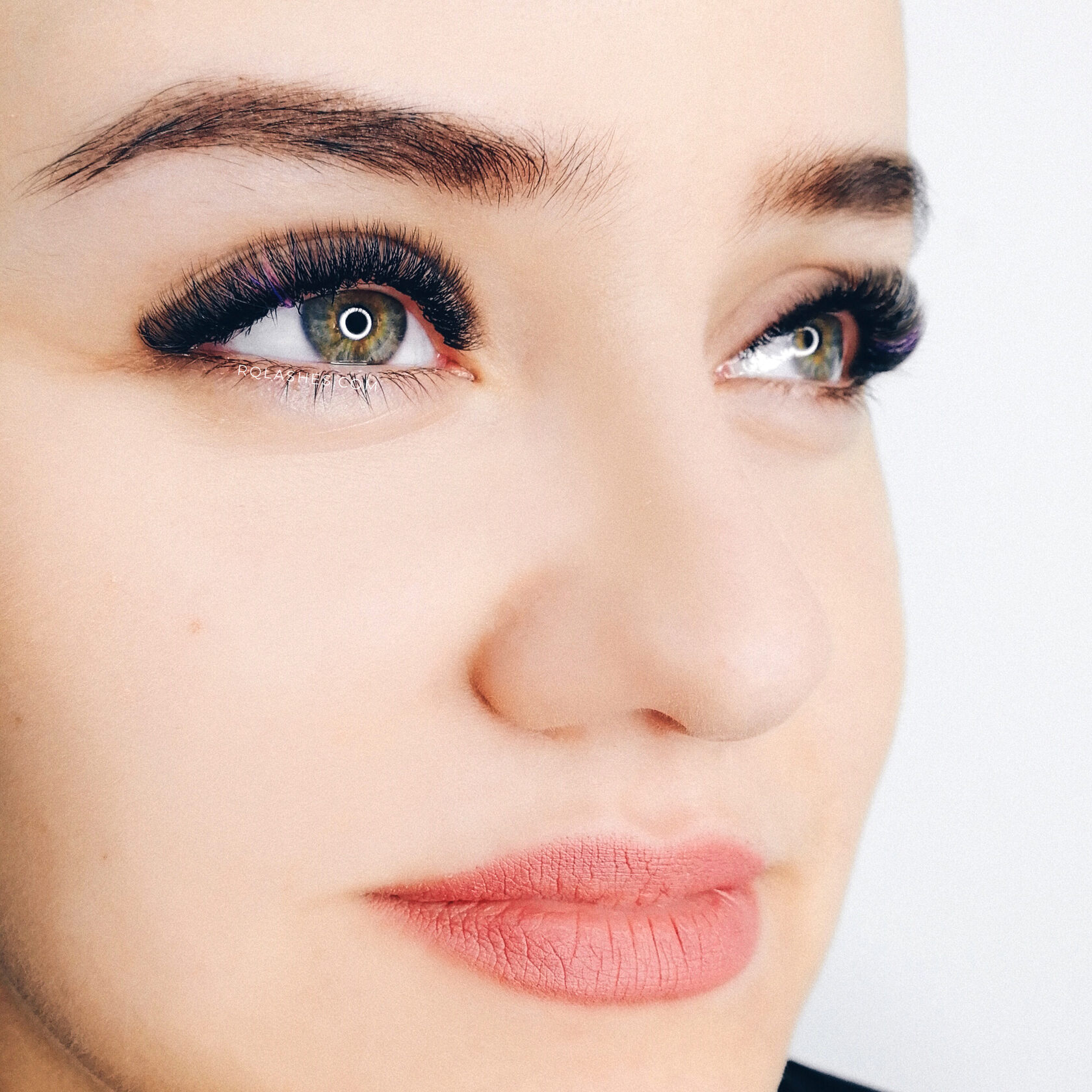
- Use sensible lengths in the corners. Lashes at the inner and outer corners are especially delicate. Go too long or too thick and they start twisting, tangling with the lower lashes, or poking the waterline.
- Work the baby lashes correctly. You do want to work every lash, including the “baby” lashes in their first growth stage, but you never put the same lengths there as on the surrounding lashes. Here’s how to work with baby lashes the right way.
- Pay special attention to the bottom row. The bottom row of lashes is basically your foundation. Load it with lashes that are too heavy and it starts to droop, which is especially obvious on clients with light eyes, where the background shows every detail.
What else affects wear time
On top of all that, there are states of the body where you simply can’t promise long wear:
- Pregnancy and breastfeeding.
- Your period.
- Illness and allergic reactions, where the body can respond unpredictably.
- Hormonal shifts.
- Oily skin.
- A change of climate or salt water.
- Antibiotics, vitamins, or other medications.
- High stress and other individual factors.
- Porous lashes.
Remember: how long a set lasts depends not only on the natural lash cycle, but on how careful you are with your technique. A gentle approach to material, smart weight distribution, the right geometry and length, all of it helps your work stay beautiful and keep your client happy longer.
You might also like

Online Lash Training: The Pros and Cons
The Best Lash Adhesive: How to Choose

Why Your Client’s Eyes Water, and Why It Matters
How to Set Up Your Lash Workstation
Disinfecting and Sterilizing Lash Tweezers
Are Classic Lash Extensions Still Trending?
How to Choose the Volume

How to Choose the Best Lashes for Extensions

Types of Lash Tweezer Sterilization Equipment
Lash Extension Volumes Explained
Why Volume Fans Fall Apart
Men’s lash extensions: how to define the eyes and keep them masculine
How Lash Extensions Are Made, Step by Step
How to Choose the Best Lash Tweezers
Remover Balls Up Into White Clumps: What to Do?
Your Client’s Eyelids Keep Twitching: What to Do?
Why Do Lashes Tangle, Twist, or Droop?
Why Do Eyes Get Red After Lash Extensions?
The Wispy Lash Effect
How Often Should You Refresh the Adhesive Drop?
How to Set the Direction of the Lashes
Everything About Brown Lash Extensions
The Natural Lash Effect
The Cat Eye Lash Effect
Mistakes When Cleansing Lashes Before Application
The Main Lash Extension Effects
Prepping the Natural Lashes and the Extensions Before Application
The Difference Between an Allergy and Irritation After Lash Extensions

7 Ways Lash Artists Can Protect Their Eyesight