Let’s look at a quick history of how false lashes first appeared, and then the lash extension service. You’ll also find out why volume lash extensions are called Russian Volume all over the world.
The first false lashes
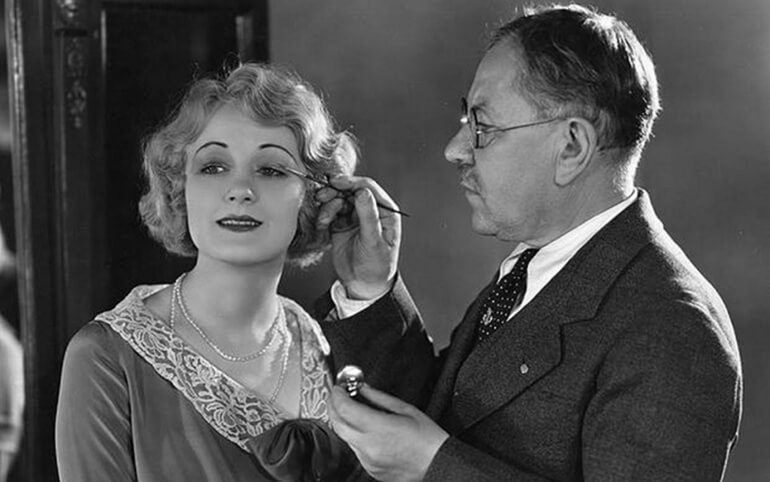
The history of lash extensions goes back to the early 20th century, when the legendary makeup artist Max Factor invented false lashes. In 1927 they looked like a piece of fringe glued to a thread, and their first proud wearer was the actress Phyllis Haver, who played Roxie in the world-famous musical Chicago.
Even though that early version was far from perfect, the actress’s expressive eyes caused a real sensation and became the envy of her colleagues. In time, the fringe gave way to individual hairs, and the design became available to anyone who wanted it. Interestingly, Max Factor’s real name was Maximilian Factorovich, who worked as an assistant makeup artist at Moscow’s Bolshoi Theatre and later emigrated to America, where he became a successful makeup stylist, and the Max Factor brand became the world’s first in color cosmetics.
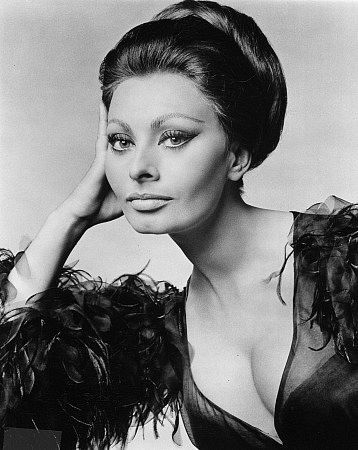
Hollywood movie divas adored false lashes throughout the 20th century, and one of the brightest modern film stars, Sophia Loren, has stayed loyal to false lashes to this day, even past the age of 80.
The history of lash extensions
In the early 21st century, Japan developed a material that perfectly matched the shape and curl of a natural lash. The first person to perform lash-by-lash extensions was the Japanese makeup artist Shu Uemura, who in 2003 gave singer Madonna a mesmerizing look using the brand-new lash-by-lash extension technology.

The main difference between extensions and false lashes is that with extensions, the synthetic lash is attached not to the eyelid but glued to the natural lash, using a completely different adhesive that lets you wear them for more than a month. For Japanese women, this service was a real godsend, because thanks to the particular structure of the eyelid, the natural lashes of most Asian women are barely visible, and with extensions you can achieve any length and, therefore, far more visible results. To this day, classic lash extensions are sometimes called Japanese lash-by-lash extensions.
How volume lash extensions came about
A few years later, the Russian lash artist Olga Dobronravova, trying to achieve fuller lashes, decided to glue not one but two synthetic lashes onto a natural lash. Then three. Then to bind them together into a fan and attach the lashes in fans. And so volume extensions were born, becoming known around the world as Russian Volume.

The first volume fans in the world were made by hand, so many Russian artists who trained in volume among the very first still practice the handmade technique, which has become second nature to them over years of work.
These days there are many different names for volume techniques: Hollywood, velvet, royal, American volume. All of them are inventions of different artists and sometimes mean, for example, dramatic volumes of 6D and up, or signature approaches. But volume extensions themselves were and remain Russian Volume.
You might also like
Why Do Lashes Tangle, Twist, or Droop?
Your Client’s Eyelids Keep Twitching: What to Do?
The Main Lash Extension Effects
How to Tame Lash Extension Glue: Top Artists Secrets
How to Choose the Volume
Remover Balls Up Into White Clumps: What to Do?
How to Set Up Your Lash Workstation
Lash Extension Volumes Explained
The Best Surface for Your Adhesive Drop
The Cat Eye Lash Effect
The Wispy Lash Effect
Common Lash Extension Mistakes
Why Volume Fans Fall Apart

What Causes Allergies in Lash Extensions?
How to Choose the Best Lash Tweezers
The Natural Lash Effect
How Often Should You Refresh the Adhesive Drop?

Online Lash Training: The Pros and Cons

Why Your Client’s Eyes Water, and Why It Matters

Types of Lash Tweezer Sterilization Equipment

How to Choose the Best Lashes for Extensions
How Lash Extensions Are Made, Step by Step
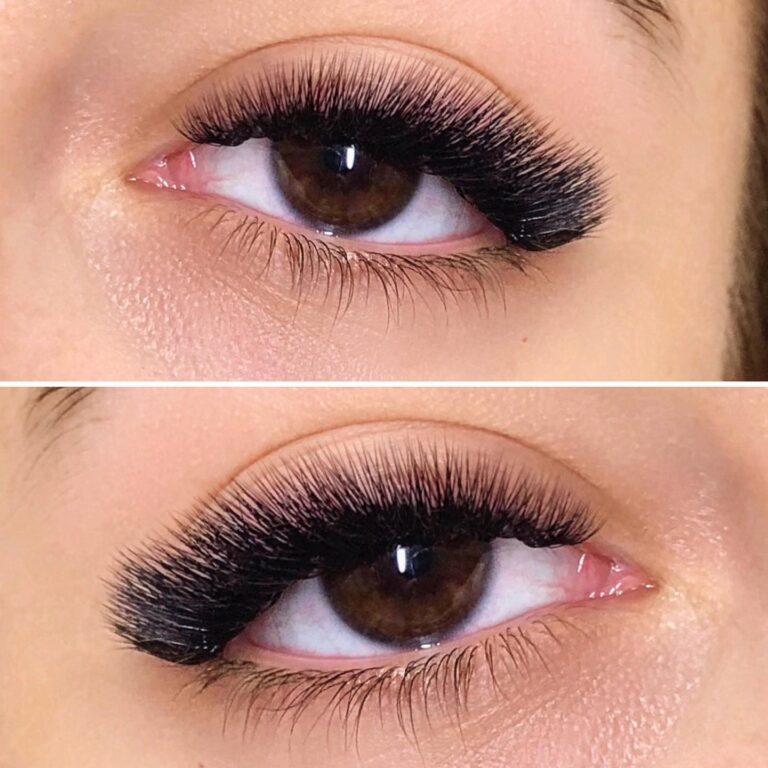
The Squirrel Effect in Lash Extensions (Diagrams and Photos)
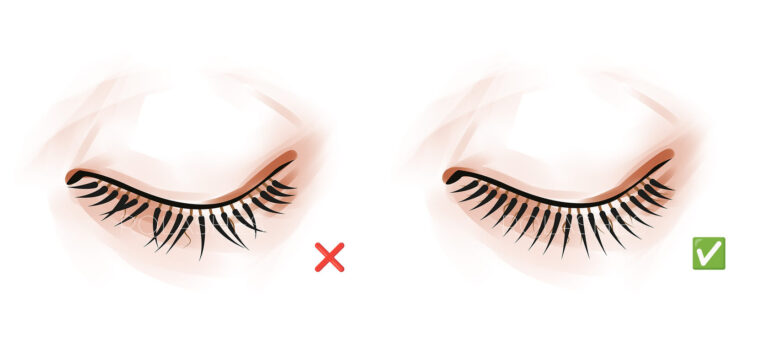
How to Set the Direction of the Lashes
Lash Extensions for Beginners: Where to Start and What You Need
Prepping the Natural Lashes and the Extensions Before Application
The Best Lash Adhesive: How to Choose
Under-Eye Pads for Lash Extensions
Everything About Brown Lash Extensions