If you’ve been in the lash industry long enough, you’ve probably seen clients have allergic reactions to lash adhesive, or at least heard they exist. But often, when a client thinks she has an allergy, it’s actually just irritation. There are a few fundamental differences between the two. Knowing them lets you give your clients more accurate information and keep them safe.
What is an allergy?
An allergy is a heightened sensitivity of the immune system to some irritant that most people interact with just fine. Symptoms of an adhesive allergy can include red eyes and itching. They’ll keep showing up until the adhesive is removed, and they usually only get worse over time. If you know anyone with a peanut allergy, you may know that each new exposure to peanuts makes their symptoms more severe. That’s because our immune system constantly adapts and produces antibodies to fight allergens. The longer you’re exposed to an allergen, the stronger and more pronounced the reaction. That’s why lash extensions are contraindicated for clients who’ve had allergic reactions to adhesives before.
What is irritation?
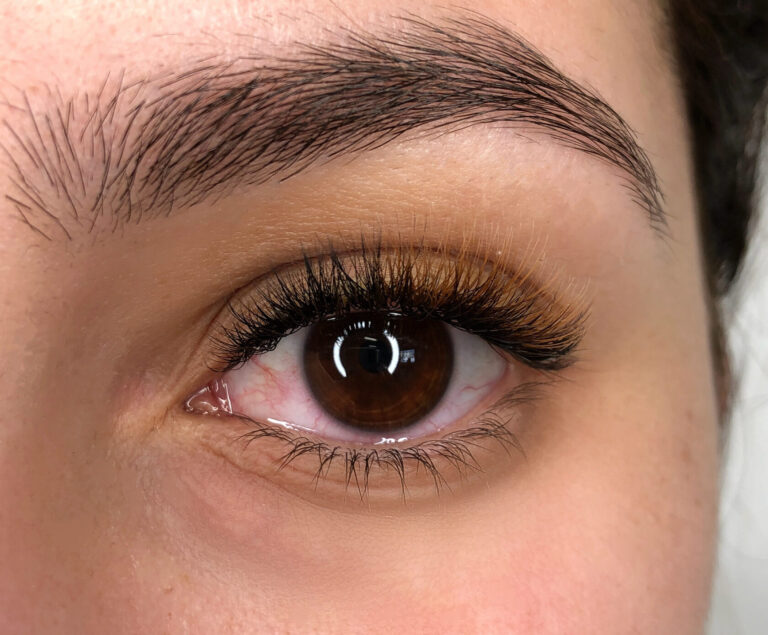
Many irritation symptoms overlap with allergy symptoms, so it can be hard to tell what’s actually going on. Irritation usually comes from the fumes the adhesive gives off while it cures or dries. Individual cyanoacrylate molecules rise into the air and can cause redness of the sclera and the skin around the eyes, along with itching. The difference is that irritation usually doesn’t last more than 24 hours and fades over time. But there’s one exception: clients with seasonal allergies. Extensions can worsen the symptoms if the eyes are already sensitive and irritated.
Treating an allergic reaction
If a client thinks it’s not just irritation but an actual allergic reaction to the adhesive, she can take an antihistamine, which will calm the symptoms until the lashes can be properly removed. If that medication works, then it really was an allergic reaction.
Reducing the risk of irritation
Limiting the amount of fumes your client is exposed to will help you tell the difference between an allergic reaction and irritation. If you use the right methods and follow safety technique, there will be less irritation, and it’ll be milder.
So what can you do?
1. The first and simplest way is to only do lashes in a well-ventilated room. If you work in a small space, it’s best to keep windows and doors open for constant airflow, and you can set up a fan. A humidifier also helps: it binds the cyanoacrylate fume molecules and neutralizes them.

2. For sensitive eyes, use as little adhesive as possible. That way both you and your clients are exposed to fewer fumes, and the lashes come out more natural. Two birds with one stone!
3. Remind your clients to keep their eyes closed during the service. It’s very important to explain the details clearly and in full. Tell clients how long it’ll take and why it matters not to open their eyes. They’re far more likely to follow instructions when they understand the reason.
Still, even if you follow all these tips, occasional irritation is unavoidable, since the eyes are a very sensitive area. Listen to your clients’ concerns and don’t jump to the conclusion that it’s an allergy. In most cases it’s just annoying eye irritation that will fade within a few hours.
Note: on health matters, you should always refer the client to a doctor. The text above is only guidance on how to relieve irritation and recognize an allergy.
You might also like
How to Make Lash Extensions Last Longer
The Best Lash Adhesive: How to Choose
How Deep to Dip the Lash in Adhesive

What Causes Allergies in Lash Extensions?
The Natural Lash Effect
The Real History of False Lashes and Lash Extensions
Disinfecting and Sterilizing Lash Tweezers
Are Classic Lash Extensions Still Trending?
Why Do Lashes Tangle, Twist, or Droop?
The Cat Eye Lash Effect
Lash Extension Volumes Explained
How to Choose the Best Lash Tweezers

How to Choose the Best Lashes for Extensions
Remover Balls Up Into White Clumps: What to Do?
Common Lash Extension Mistakes
Why Do Eyes Get Red After Lash Extensions?

Types of Lash Tweezer Sterilization Equipment

Online Lash Training: The Pros and Cons
Under-Eye Pads for Lash Extensions
Lash Extensions for Beginners: Where to Start and What You Need
How to Set the Direction of the Lashes
How Lash Extensions Are Made, Step by Step
The Main Lash Extension Effects
Lash Remover: Which Type to Choose
How Often Should You Refresh the Adhesive Drop?

How to Choose the Volume
Your Client’s Eyelids Keep Twitching: What to Do?
The Squirrel Effect in Lash Extensions (Diagrams and Photos)
How to Tame Lash Extension Glue: Top Artists Secrets