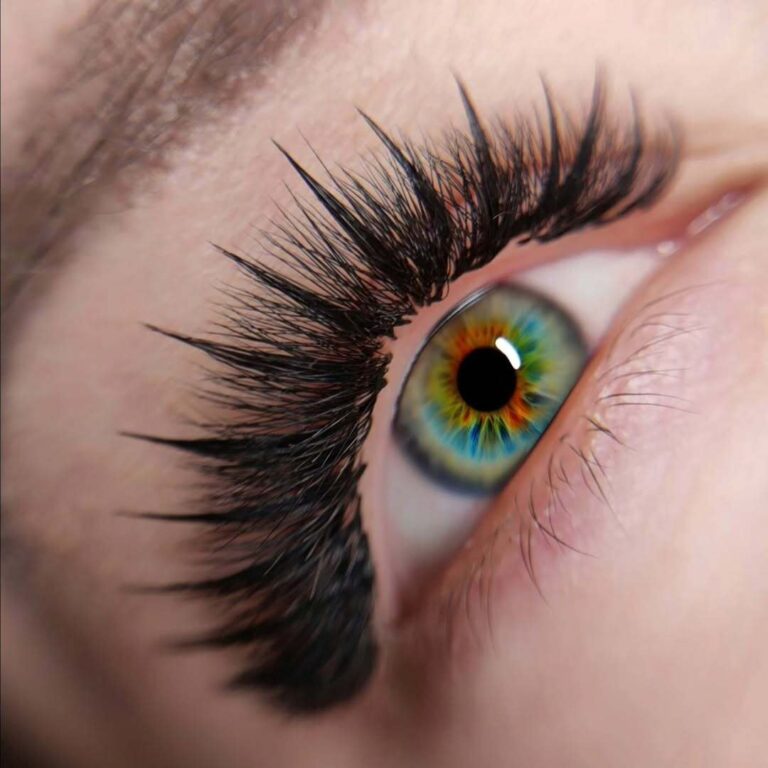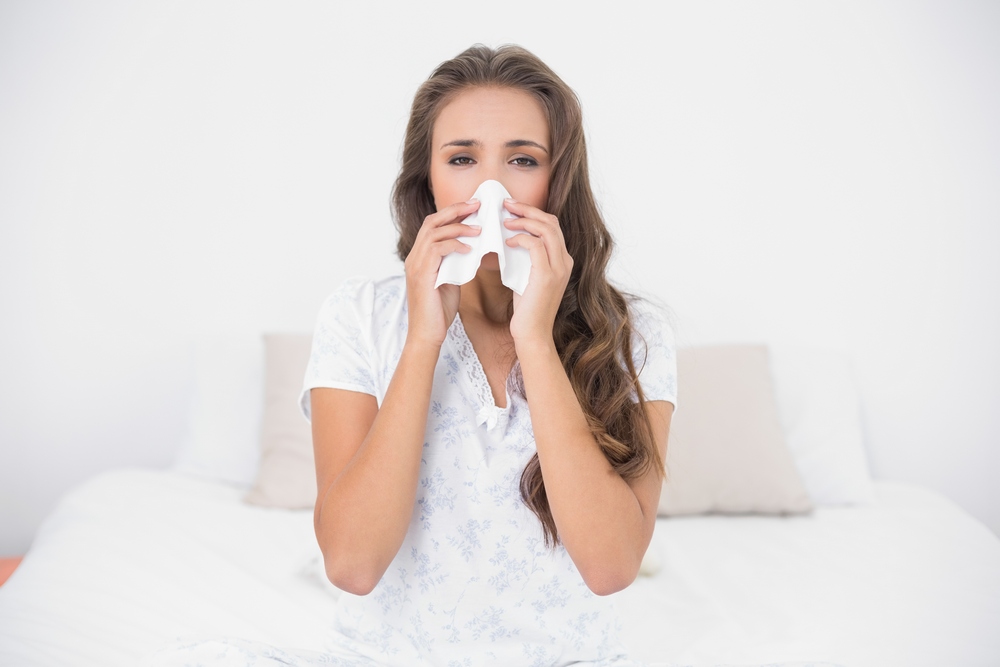
An allergy is a heightened sensitivity of the body to certain substances (allergens) that trigger various unpleasant reactions, like watering, swelling, skin redness, itching, and so on. Other names for it are hypersensitivity or heightened sensitivity, meaning the body’s tendency to react painfully to substances that are harmless to most people.
An allergy can be triggered by different kinds of contact with the allergen: through the respiratory tract or through direct contact with the body’s surfaces.
Allergy is a fairly new condition for humankind, appearing only in the 20th century. The term was first used in 1906 by the Viennese pediatrician Clemens von Pirquet. Because of that, allergy is still not very well understood, so there’s neither precise knowledge of its causes nor a way to fully cure it. All modern remedies are aimed at suppressing the symptoms and, like any medication, cause irritation of the digestive organs with regular use, which is why the number-one piece of advice for an allergy is still to remove its source, the allergen.
So what causes allergies for lash artists and their clients?
The human body is unpredictable, so a reaction can appear to absolutely any lash product, from primer to pads. But those cases are fairly rare (under 1%), and the most powerful irritant for the body is the lash adhesive.
The main component of any lash adhesive is a substance called cyanoacrylate (90 to 98% of the total formula). It’s very caustic, with a strong smell that comes from the fumes the adhesive releases. That smell is what we notice when working with adhesive, and those fumes are exactly what leads to allergic reactions. An allergy to cyanoacrylate resembles flu symptoms: a stuffy nose, red, watering eyes, which is why an adhesive allergy is often mistaken at first for a lingering cold.
Unfortunately, even people who aren’t prone to allergies can develop one with long, regular exposure to a strong allergen like cyanoacrylate. This is the so-called cumulative effect of allergy, which can show up at any moment, and that moment is impossible to predict. So it’s best for the artist to minimize contact with adhesive fumes right away, to avoid possible consequences. Even if you feel great and have no allergic reactions whatsoever, I still recommend using the tips below to protect yourself from the possible consequences of our work.
There are many air-filtration and purification options
- Protective masks with various filters shield your airways from dust, smoke, gases, fumes, and aerosols.
- Germicidal lamps are used to disinfect the air and surfaces in a room, purify drinking water, and sterilize objects and medical instruments. They neutralize most microorganisms, like viruses, bacteria, mold, fungi, yeasts, spores, and more.
- Humidifiers, besides raising the humidity in a room, also settle out microscopic dust particles.
- Room air filters: an electrostatic filter (traps dust, pollen, and soot), a photocatalytic filter (purifies the air by killing bacteria, mold, and fungus, and also neutralizes harmful gas and fume particles), and HEPA filters (catch the tiniest particles and are especially recommended for allergy sufferers).
All of these devices are meant to shield us from every possible allergen, but they don’t affect cyanoacrylate fumes.
So what protects against cyanoacrylate fumes?
When working with lash adhesive, the only way to protect yourself from its fumes is good room ventilation. Ideally, a forced extractor installed directly above the lash artist’s workspace. There are now special portable extractors for lash artists that you can place as close to your workspace as possible. They’ve shown good results in reducing allergic reactions among artists.
But cyanoacrylate has one more property you can use to fight its fumes: it polymerizes (hardens) on contact with water. So as the simplest, most budget-friendly way to fight the fumes, you can use a regular medical mask dampened with water, or lined on the inside with wet gauze. The whole idea is to create a moisture barrier that traps the adhesive fumes and keeps them from reaching your airways.
To fight all the other kinds of allergens, you can use all the room-purification options listed above and, of course, keep your workspace clean.
Stay healthy!
How to do an allergy patch test properly
An allergic reaction to the adhesive is one of the most important topics for a lash artist. All lash adhesives contain cyanoacrylate, a chemical compound that can cause allergic reactions in some people. But even the pigment in the adhesive can trigger an allergy, since everybody is different and there’s no way to predict a reaction to any given chemical. So it’s important to know how to do a patch test correctly and what to do if a client shows an allergy.
An allergy can develop right after the service, or hours or days later. It depends on the client’s individual sensitivity. To avoid unpleasant consequences, a patch test is a good step before working with a new client, especially if she’s getting ready for a big event like a wedding and has never had extensions before, or hasn’t had them in a very long time.
Why can’t you do a patch test on the client’s skin?
It’s all because of that same cyanoacrylate, a very strong chemical that starts releasing a lot of heat on contact with natural fibers like cellulose (paper), cotton, wool, and skin, including human skin. It’s called an exothermic reaction, burning without fire.
Yes, every artist has gotten adhesive on themselves plenty of times without any burns. It’s true that most of the time there’s no burn on skin contact, thanks to the moisture on the skin’s surface: the adhesive meets that moisture first and instantly polymerizes before reaching the skin. But if the skin is dry, a burn is very likely, so there’s no reason to risk it.
Besides, the skin’s reaction to the adhesive isn’t really telling, because during an application we don’t touch the skin, so cyanoacrylate exposure is minimal. The reaction mostly comes from the adhesive fumes during the service and for a few hours after, until the adhesive fully polymerizes (hardens).
By the way, if the maker of the adhesive you use claims it’s hypoallergenic, that’s a reason to be skeptical. There’s no such thing as a hypoallergenic adhesive, and claims like that are nothing more than another marketing move. Every lash adhesive contains some form of cyanoacrylate, it’s currently the only component that hardens instantly, letting the extensions hold their position on the natural lashes.
So how do you do a patch test, and should you?
If a client has an important event coming up where she needs to look 100%, but she hasn’t had extensions in a while or ever, then a patch test is worth doing.
Manufacturers usually recommend this 48 hours before the application: attach a couple of lashes on the outer corners of the eyes using the same materials and products you plan to use in the full set.
That said, with such a small amount of product on first contact, dangerous consequences are minimal, it’s more likely to reveal a very strong reaction. A weaker, slow-building reaction can show up over time, so a patch test isn’t 100% telling, and you should always warn the client about possible consequences.
You can also offer the client a trial full set a few weeks before the event, to fully test her body’s reaction, and to pick, try, and agree on the look she wants, so there are no unpleasant surprises right before the big day.
Happy lashing!
You might also like
The Squirrel Effect in Lash Extensions (Diagrams and Photos)
The Best Surface for Your Adhesive Drop
The Main Lash Extension Effects
Lash Primer, Cleanser, Accelerator, and Bonder: When You Need Them and How to Choose
How to Make Lash Extensions Last Longer

7 Ways Lash Artists Can Protect Their Eyesight
The Difference Between an Allergy and Irritation After Lash Extensions
Men’s lash extensions: how to define the eyes and keep them masculine
Disinfecting and Sterilizing Lash Tweezers
Lash Remover: Which Type to Choose

Why Your Client’s Eyes Water, and Why It Matters
How to Choose the Best Lash Tweezers
Why Do Lashes Tangle, Twist, or Droop?
How Deep to Dip the Lash in Adhesive
Remover Balls Up Into White Clumps: What to Do?
Why Volume Fans Fall Apart
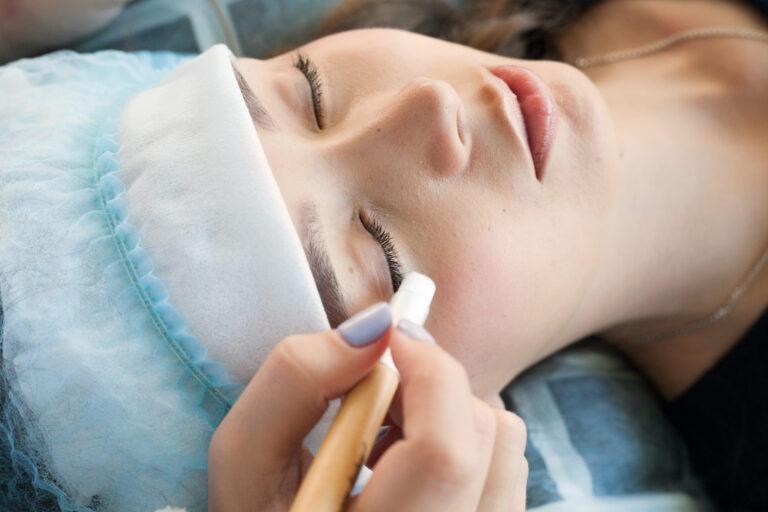
Mistakes When Cleansing Lashes Before Application

How to Choose a Lash Curl
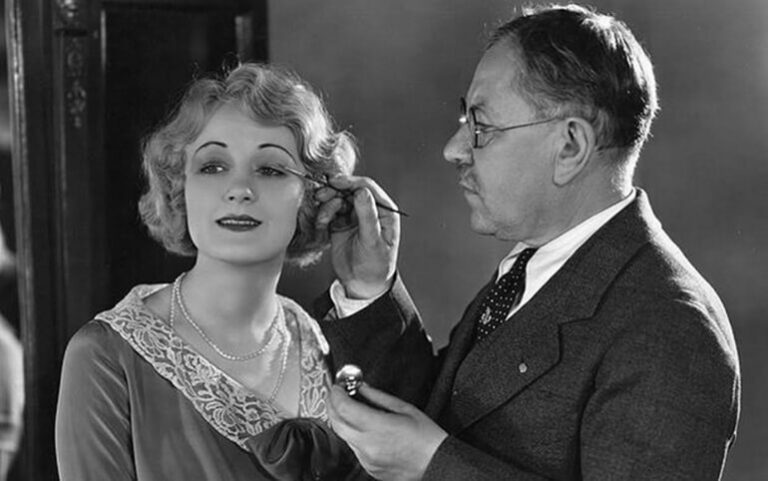
The Real History of False Lashes and Lash Extensions

Types of Lash Tweezer Sterilization Equipment
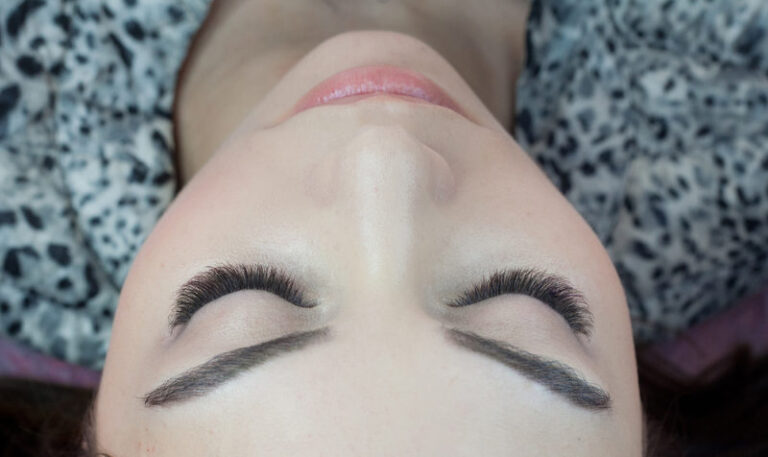
Your Client’s Eyelids Keep Twitching: What to Do?

Online Lash Training: The Pros and Cons
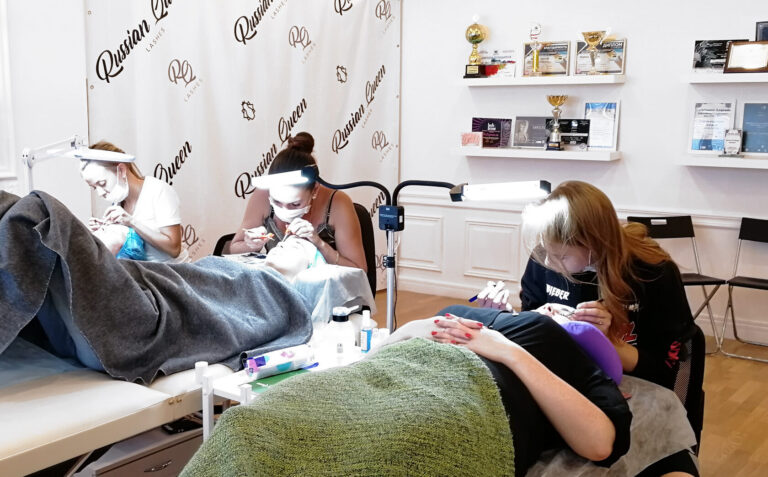
Lash Extensions for Beginners: Where to Start and What You Need
Under-Eye Pads for Lash Extensions
How Lash Extensions Are Made, Step by Step
Common Lash Extension Mistakes
How to Tame Lash Extension Glue: Top Artists Secrets
Lash Extension Volumes Explained
The Best Lash Adhesive: How to Choose