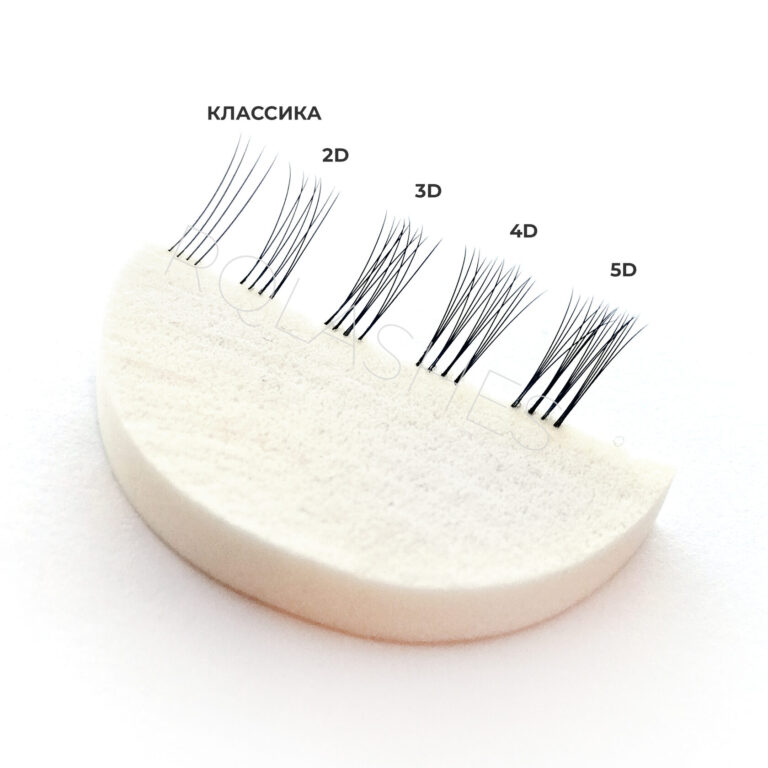
Lash extensions are made entirely by hand, and the process is genuinely fascinating. Not every factory allows filming, unfortunately, but here’s a look at how lash extensions are actually produced.
The lashes are made in several stages:
First, thin, long fibers of varying thickness (from 0.03 to 0.30 mm) are made from a black synthetic mass. Lash factories don’t do this part themselves, they buy the finished material from manufacturers. Fun fact: the same material is used to make makeup brushes. The synthetic fibers are fixed onto an adhesive strip, and a sharp blade cuts them to the length of the future lashes. Then they’re wound onto a roller of a specific diameter to form the needed curl, and sent into special high-temperature ovens to set that curl. This is exactly why clients should avoid contact with very high heat (don’t open the oven right in front of your face), so the curl doesn’t relax out. The finished lashes are attached to lash strips, which form the rows that then get packed into trays.
Voilà! It’s all done completely by hand, there never have been and still aren’t any lash-making machines. That’s why you can sometimes notice the lash strips looking a little wavy: it happens because the factory worker doesn’t press the strip onto the base perfectly evenly with their finger. Still, the fiber quality should be beyond doubt: every lash on the line should be the same thickness and length (unless they’re feather lashes) ☝ There shouldn’t be any “chewed-up” ends, the lashes should peel off the strip easily, be springy and flexible, and have a rich color with no off-tone.
Speaking of fingers 😬 Honestly, lash factories turn out to be nothing like the idea of a factory in your head, and precisely because of the unsanitary conditions during production, and to boost the strip’s stickiness and improve retention overall, it’s a good idea to prep the extensions before an application too. Just run a microbrush with a cleanser (it should be alcohol-based) over them, or spray them from above with an alcohol-based hand sanitizer.
For more on what lash extensions are made of, what materials are used, whether lashes made from animal fur really exist, and the properties of synthetic lashes, you can read this article.
You might also like
How to Choose the Volume
Common Lash Extension Mistakes

Why Your Client’s Eyes Water, and Why It Matters
Your Client’s Eyelids Keep Twitching: What to Do?
The Natural Lash Effect
Lash Primer, Cleanser, Accelerator, and Bonder: When You Need Them and How to Choose
The Main Lash Extension Effects
The Real History of False Lashes and Lash Extensions
The Difference Between an Allergy and Irritation After Lash Extensions
The Squirrel Effect in Lash Extensions (Diagrams and Photos)
How to Choose the Best Lash Tweezers
Lash Remover: Which Type to Choose
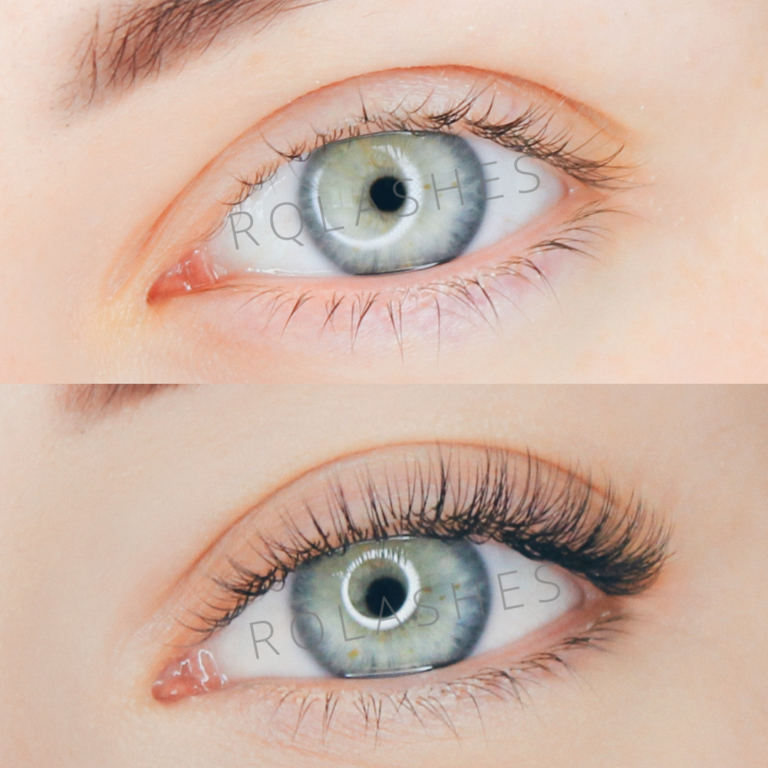
Are Classic Lash Extensions Still Trending?
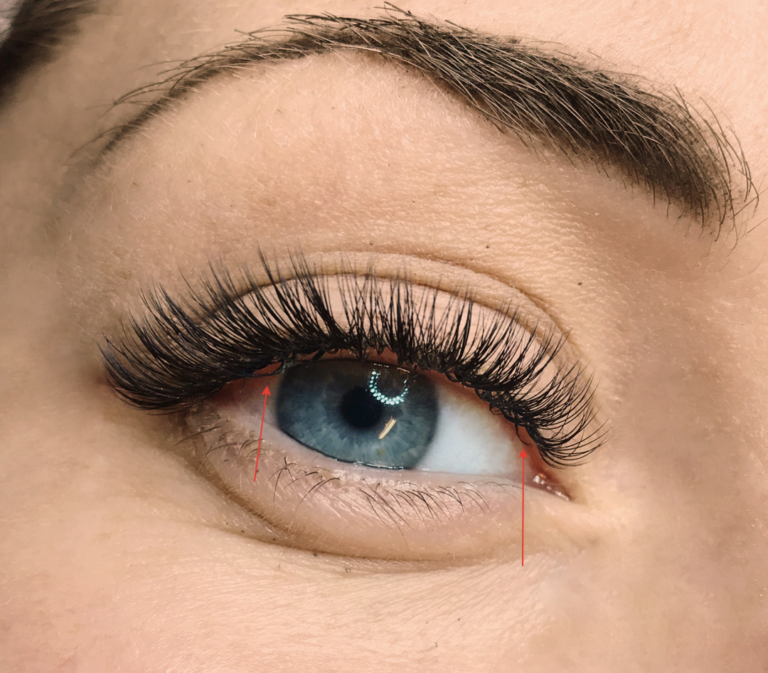
Why Do Lashes Tangle, Twist, or Droop?
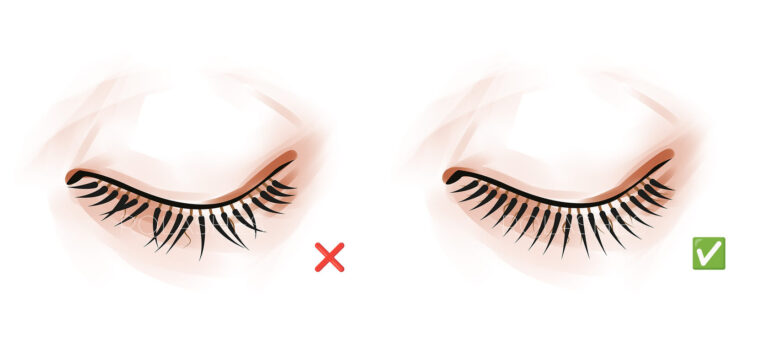
How to Set the Direction of the Lashes

What Causes Allergies in Lash Extensions?
Under-Eye Pads for Lash Extensions
The Best Surface for Your Adhesive Drop

How to Choose the Best Lashes for Extensions
How to Choose a Lash Curl
Disinfecting and Sterilizing Lash Tweezers
The Cat Eye Lash Effect
Men’s lash extensions: how to define the eyes and keep them masculine
Lash Extensions for Beginners: Where to Start and What You Need
The Best Lash Adhesive: How to Choose
Remover Balls Up Into White Clumps: What to Do?
Why Do Eyes Get Red After Lash Extensions?
How Deep to Dip the Lash in Adhesive

Types of Lash Tweezer Sterilization Equipment