Even seasoned artists run into it: a fan that falls apart as you make it, or loses its shape once it’s on the lash. Let’s break down the main reasons this happens and how to avoid them.
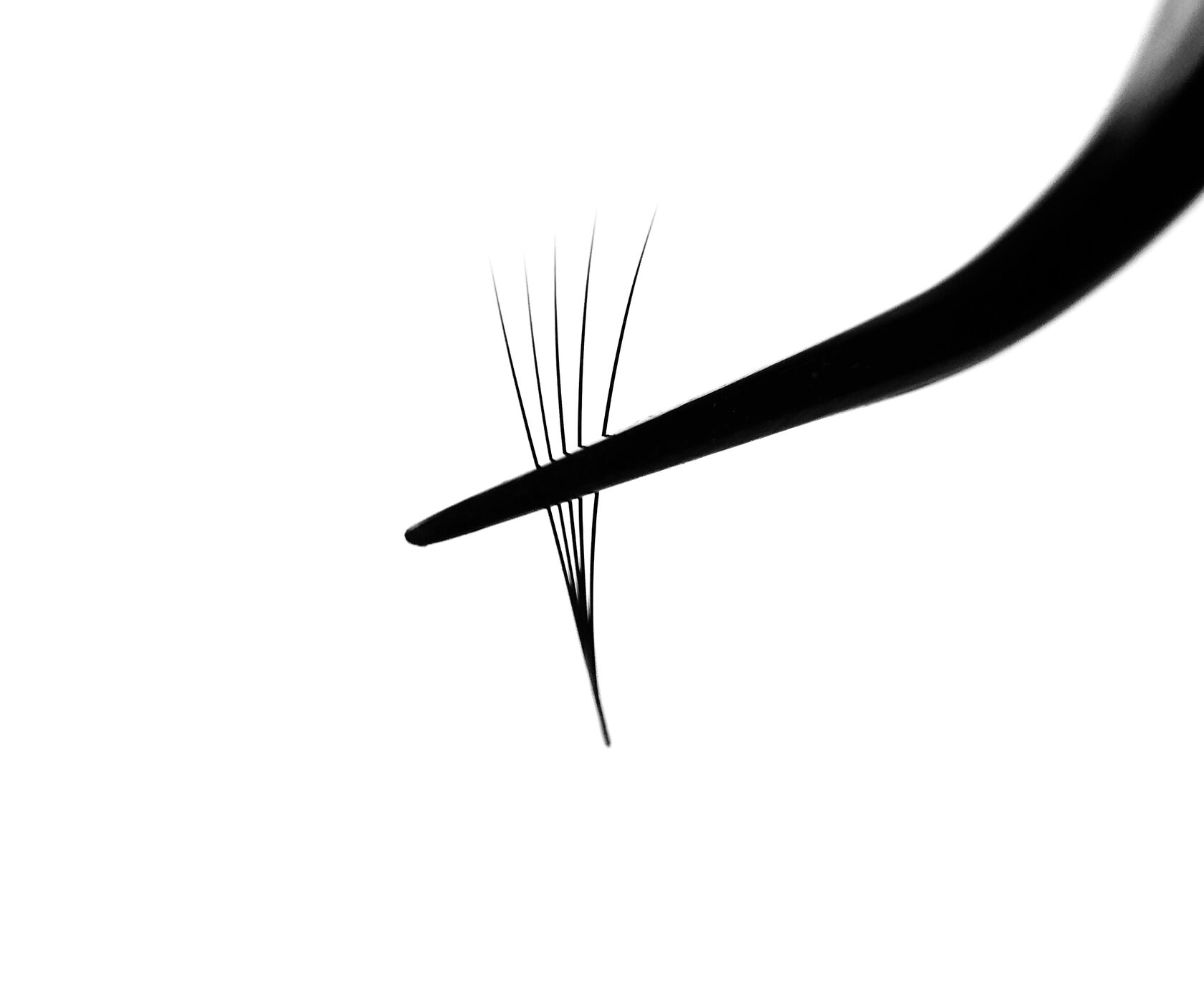
Why a fan falls apart when you lift it off the strip
- Not enough grip pressure. If you loosen your hold, the fan loses its shape. Just don’t overdo it, or you’ll kink the lashes in the fan.
- You grabbed the fan in an unstable part of the tweezer. Every tweezer has its own “grab zone,” and it sits in a different spot on each one: closer to the tip, in the middle, or nearer the base.
- Movements that are too abrupt. Lift the fan smoothly, without jerking.
- The wrong tweezer. Poor closure, a shape that doesn’t suit you, or the wrong stiffness or material.
- A dirty tweezer. Adhesive residue built up inside the tips gets in the way of a clean close.
- Grabbing the fan too high. Grab the fan just above the middle, not too high up.
- Uneven lash thickness on the strip. If the lashes on the strip vary in thickness, the tweezer may only catch the thickest ones and the rest drop out.
- A warped tweezer. Over time a tweezer can lose its precision. Inspect it: the grip pressure may have shifted in a way you can see, or it’s simply gone dull and it’s time to sharpen it.
Why the base of the fan spreads open
Whatever technique you use to make a fan, there are three basic rules for keeping the base tight:
- 1. The right direction for the lash tips. As you build the fan, the tips should point toward you, toward the artist. That’s especially important up to 5D. For 5D and above, the outer lashes can angle slightly outward.
- 2. The right spacing between lashes. Too much space between lashes breaks the base of the fan and throws off the top line. The correct spacing is the one where the lashes in the fan point at you, not out to the sides.
- 3. Prepping the lashes before you build. Before making a fan off the strip, lift the lashes off the strip a little first. That lets you gather them without extra effort and keep the base. In handmade techniques, avoid pressing the lashes hard with your fingers; minimal pressure is enough to keep the fan’s shape.
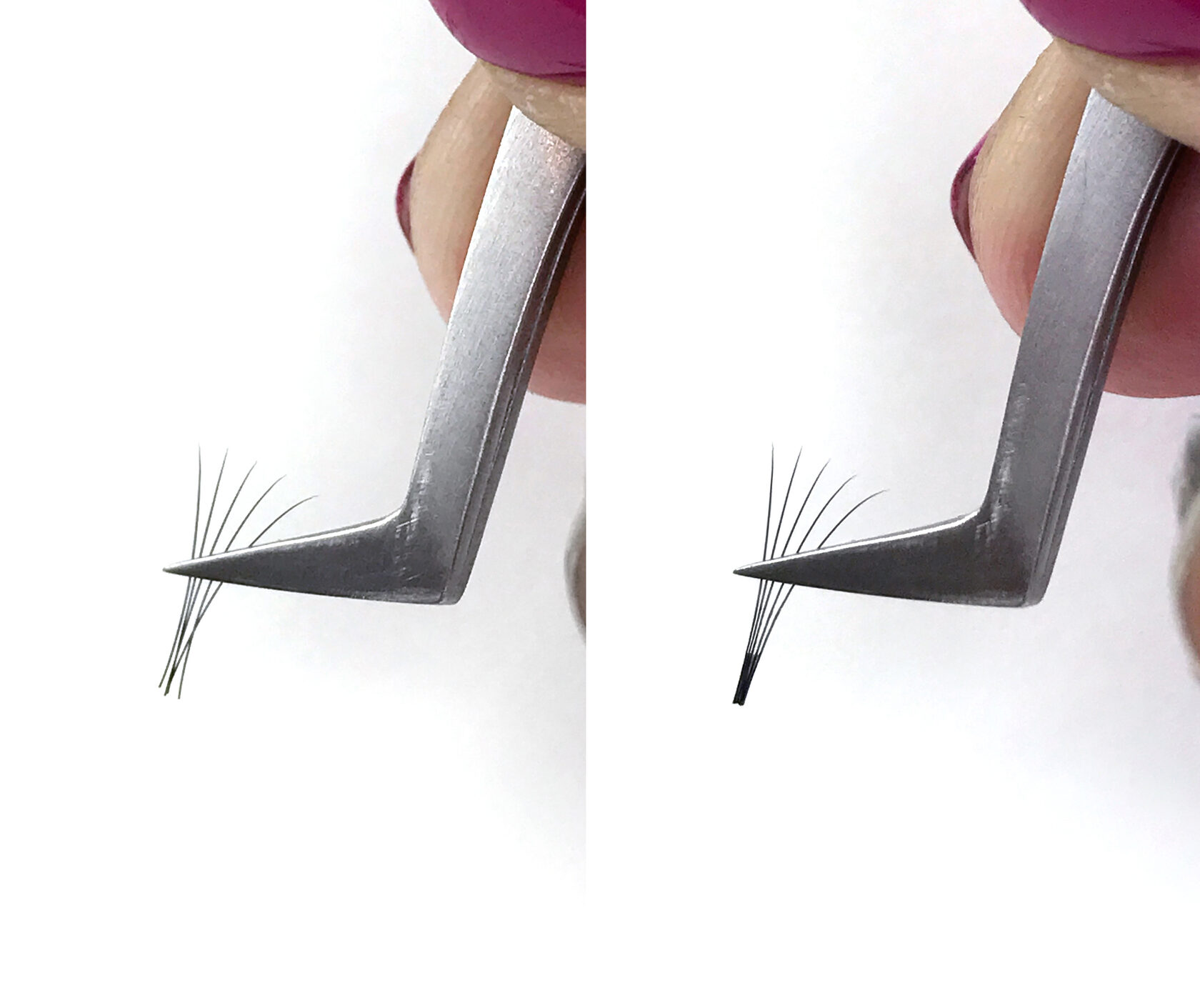
Why a fan “collapses” once it’s on the natural lash
Another common one: the fan is beautifully made, but loses its shape while you set it on the lash. This can come from a few mistakes:
- No tweezer hold. If you “drop” the fan the way you would in classic, it loses its shape. The tweezer has to stay put until the adhesive sets.
- Adhesive that’s too slow. If it cures too slowly, the fan has time to lose its shape. The fix is a faster adhesive.
- The wrong microclimate. Your adhesive’s working properties depend on the room’s temperature and humidity. Make sure conditions match the adhesive maker’s recommendations, and use a thermo-hygrometer to keep track.
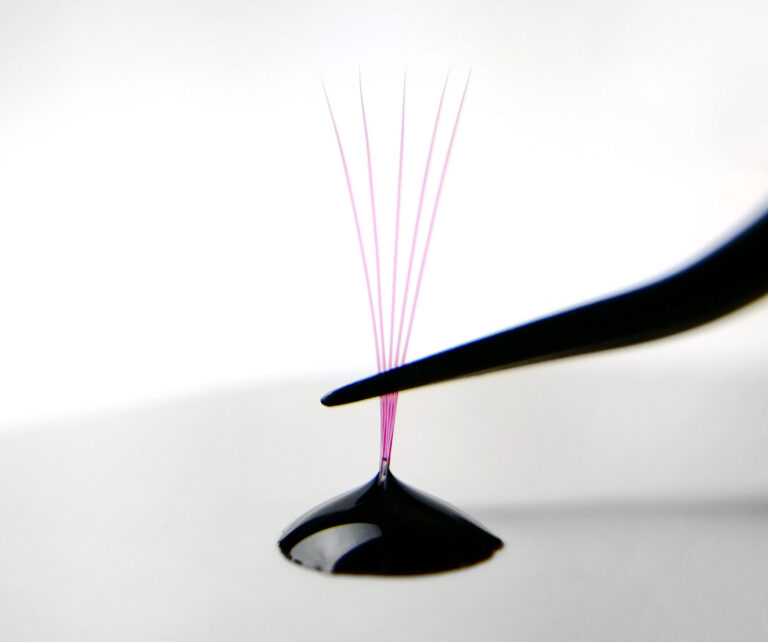
- Dipping too deep into the adhesive. The adhesive shouldn’t reach the point where the fan widens out. Otherwise the fan loses its shape as you set it.
Why fans only collapse in the corners
If fans start collapsing only in the corners of the eye, the problem is most likely too much adhesive. On long lashes that excess may not matter, but on the short lashes used in the corners it’s fatal.
Fan trouble happens even to experienced artists, but the point is to understand the causes and know how to fix them. The quality of your work drives both the result and how happy your client is. And a neat, durable fan is the calling card of a real pro.
You might also like
How to Set the Direction of the Lashes
Prepping the Natural Lashes and the Extensions Before Application
Are Classic Lash Extensions Still Trending?
The Best Lash Adhesive: How to Choose

7 Ways Lash Artists Can Protect Their Eyesight

Mistakes When Cleansing Lashes Before Application

Types of Lash Tweezer Sterilization Equipment
Under-Eye Pads for Lash Extensions
Everything About Brown Lash Extensions
The Cat Eye Lash Effect
How to Tame Lash Extension Glue: Top Artists Secrets
How to Make Lash Extensions Last Longer
The Natural Lash Effect
Disinfecting and Sterilizing Lash Tweezers

How to Choose the Best Lashes for Extensions
Common Lash Extension Mistakes
How Lash Extensions Are Made, Step by Step
How to Choose a Lash Curl
Why Do Lashes Tangle, Twist, or Droop?
Lash Extension Volumes Explained
Why Do Eyes Get Red After Lash Extensions?

The Main Lash Extension Effects
Remover Balls Up Into White Clumps: What to Do?

Why Your Client’s Eyes Water, and Why It Matters

What Causes Allergies in Lash Extensions?
How to Choose the Best Lash Tweezers
The Wispy Lash Effect
How Deep to Dip the Lash in Adhesive

Men’s lash extensions: how to define the eyes and keep them masculine