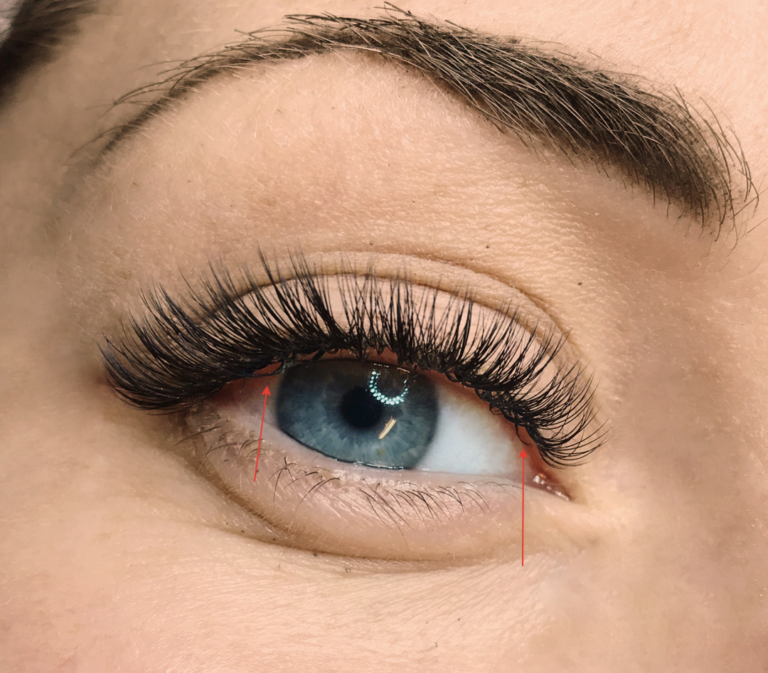
Want to learn how to do lash extensions? To have a flexible schedule and good money without the dull office grind and a boss watching your every move? To transform women and make them fall in love with their own reflection? Then you’ve found exactly the right article!
Lash extensions are a world of beauty, creativity, and limitless possibilities. But like anything, it takes more than desire, it takes the right preparation. Let’s walk through what you need to get started, how to choose the right supplies, which courses are worth it, and how to confidently take your first steps from industry newcomer to a professional lash artist with a big base of loyal clients.
Do you need a license to do lash extensions in the US?
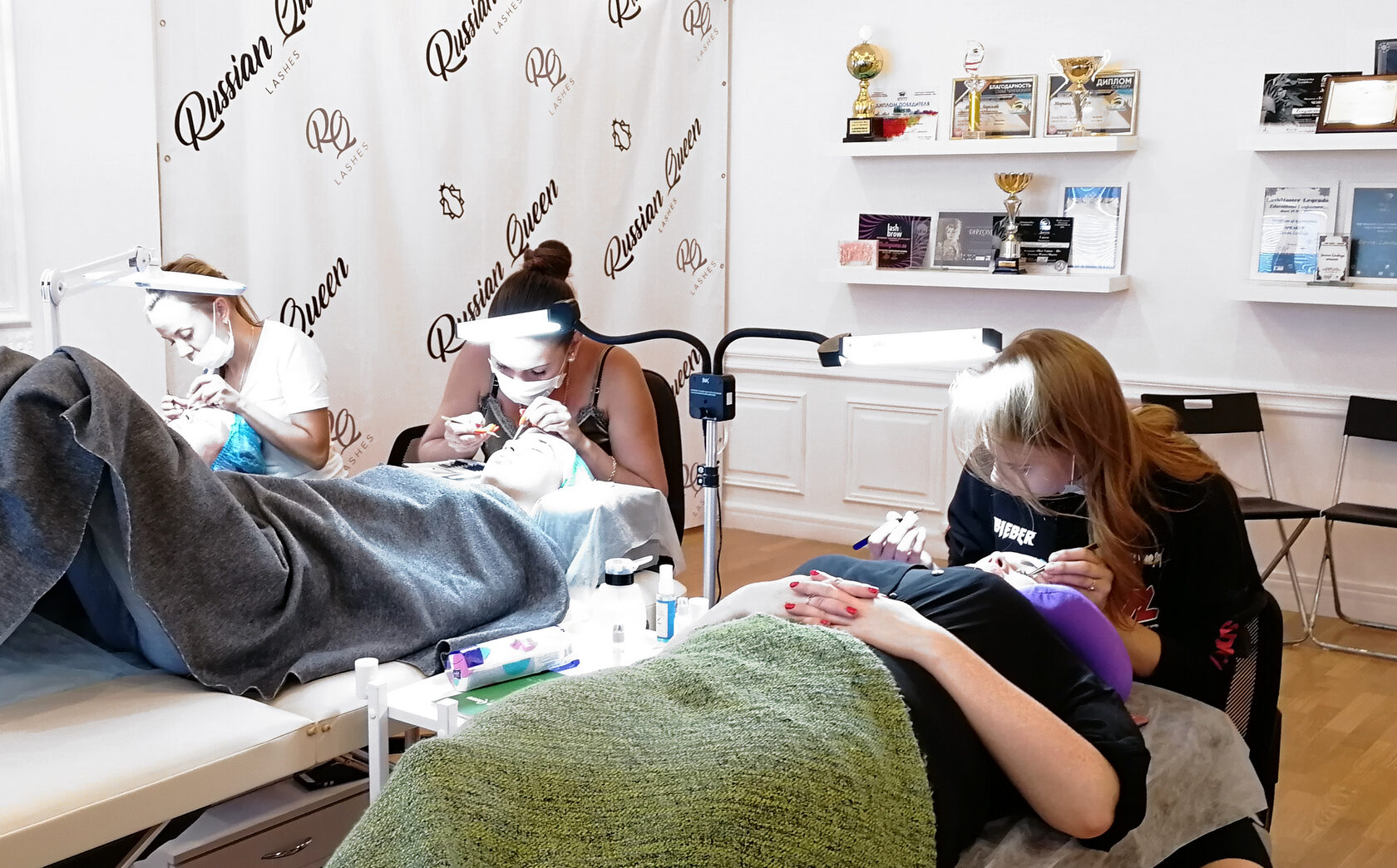
Short answer: in most states, yes. Lash extensions are regulated state by state, and in the majority of them you need a license before you can legally work on paying clients, usually a cosmetology or an esthetician (esthetics) license. A cosmetology license covers a broad range of beauty services and takes more classroom hours; an esthetics license focuses on skin care and takes fewer.
The required hours vary a lot by state, anywhere from around 30 to 2,400. California, for example, asks for 1,000 hours for cosmetology or 600 for esthetics, while Texas has a dedicated Eyelash Extension Specialist license at 320 hours. A few states, like Maryland, don’t require a license at all. Your state cosmetology board is the source of truth here, so always check there first.
Now the catch, and it’s a big one: that state-mandated schooling is general beauty education. It covers skin, sanitation, and broad cosmetology, but it barely touches lash extensions. A license means you’re legal to work, it does not mean you actually know how to lash well. So think of the license as the starting line, not the finish. On top of it, you need real, hands-on lash training from experienced, working lash artists, ideally in person, where a mentor watches your technique and corrects it on the spot. The mandated hours make you legal; live lash training from a real artist is what makes you good.
Can you learn lash extensions at home from video tutorials?
The short answer is no! If the thought “why pay for those pricey courses when the internet is full of tutorials for self-learners?” just crossed your mind, ask yourself this: would you want to sit in the chair of an esthetician or dermatologist who has no training and only watched a few YouTube videos? Probably not. Every artist is responsible for their client’s health. So to keep your clients safe and protect yourself from unpleasant consequences, you need proper training and plenty of practice under a teacher’s watchful eye.
Why does good training matter so much for a beginner?
Your client’s health. The wrong technique can damage the natural lashes or trigger an allergy.
Your responsibility as the artist. Mistakes can lead to complaints and a damaged reputation.
A teacher’s oversight. Only an experienced mentor will catch and fix the flaws in your technique.
So a course isn’t a luxury, it’s a necessity.
How should a beginner choose a lash training course?
Search “lash extension course” and you’ll find thousands of schools offering both online and in-person classes for new artists. So how do you choose?
We recommend taking your very first course in person, because early on you need plenty of attention paid to building your technique, the right hand position, how you hold the tweezers, and a lot of other details a teacher has to watch over.
Later on you can expand your knowledge and sharpen your skills through all kinds of online courses.
10 things to look for when choosing a lash course
- Whether you get a certificate when you finish.
- Whether the school or academy provides models to practice your new skills on.
- How competent the school’s teachers are: their experience, awards, reviews, and their own work.
- Reviews from students who have already trained there.
- The portfolios of the school’s graduates.
- The group size (up to 6 people is ideal).
- The length of the course. You can’t learn lash extensions in 3 hours or in 1 day. A proper classic course should run about 3 days, with at least 2 models to practice on.
- Don’t fall for courses that promise to teach you everything at once: classic, volume, and lash lift. If you want genuinely solid skills, it’s better to learn it all step by step, unless you’d rather pay twice, retraining after a bad course.
- The teachers’ real experience and competence, and honest student reviews.
- The curriculum. It should include both theory and hands-on practice with fixing mistakes.

So online lash courses are useless?
Online courses and video lessons are great for leveling up, but they aren’t where you should start. Without a live mentor, you can build a bad technique that’s hard to unlearn later.
If you still want to try learning at home, then make sure you:
- Choose high-quality, in-depth video lessons, not reels or shorts.
- Always put everything you learn straight into practice.
- Buy a mannequin head or invite models to practice on.
- Ask experienced artists for feedback on your work; you can find them in themed lash groups on social media, for example.
The materials and equipment list for beginner lash artists
As a beginner, you need a small kit of core supplies. Your course will introduce them, but here are some starter recommendations so you can be ready ahead of time.
You’ll need:
- Lashes. We recommend buying individual lengths rather than mixed trays, it’s far more economical in the long run: they cost less, and you’ll never be stuck with the “dead” lengths that mixed trays are full of. The main lengths you’ll need are 5 to 11 mm.
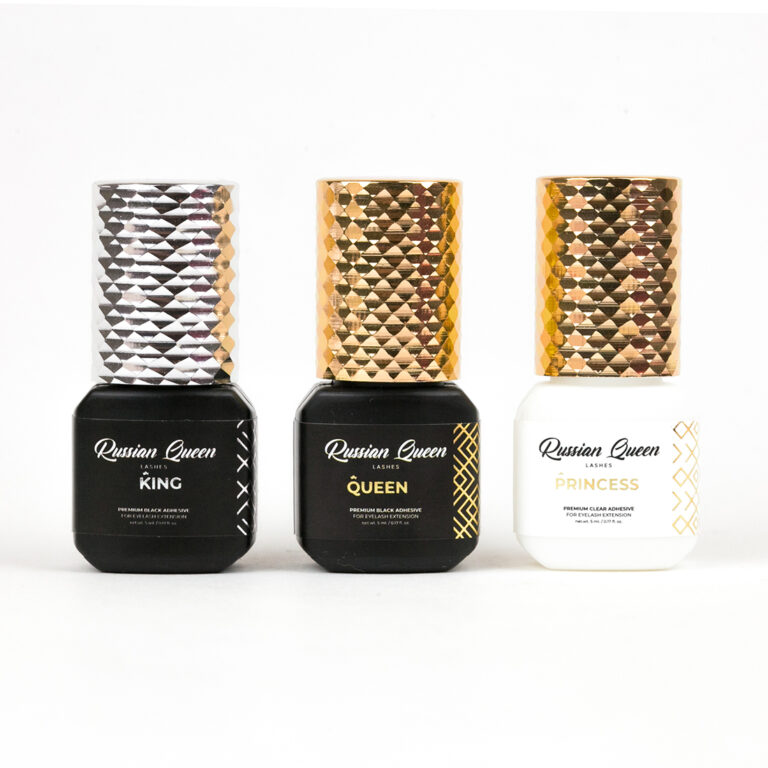
- Lash adhesive (to start, go for an adhesive with a medium drying speed).
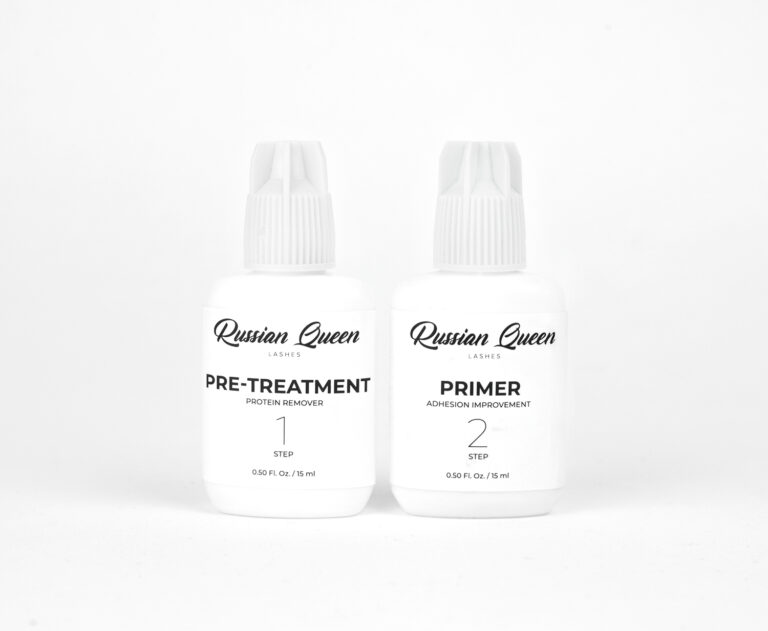
- A lash cleanser and a primer, to clean the lashes before the service and help the adhesive bond better.
- A remover, for taking the extensions off.
- Under-eye pads to isolate the lower lashes and protect the lower lid (they’re single-use, 1 pair per client).
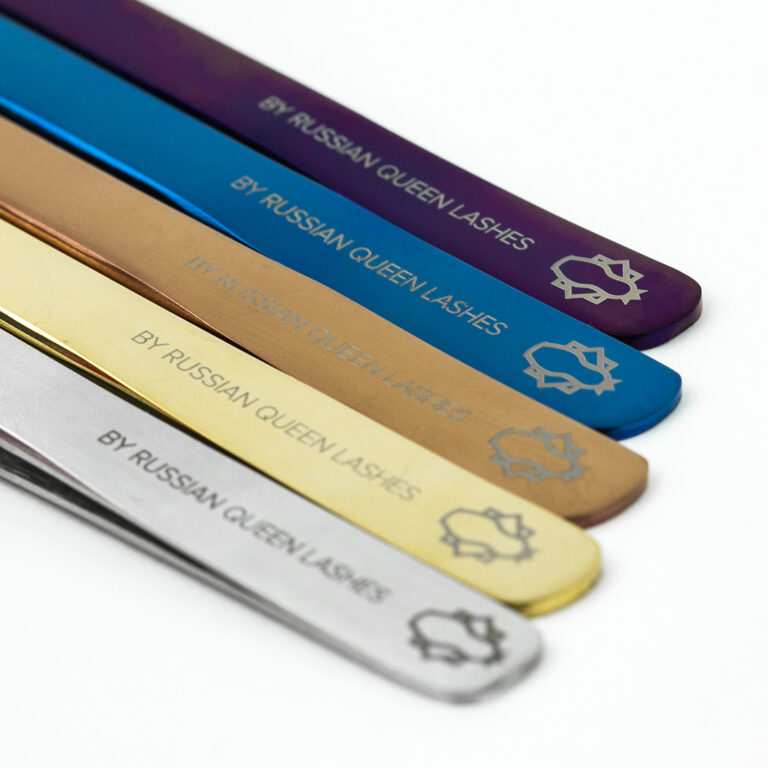
- Two pairs of tweezers of different shapes (straight ones for isolating the natural lashes, curved ones for placing the extension).
- Consumables: spoolies for brushing the lashes, caps, disposable bed sheets, and microfiber applicators for applying liquids.
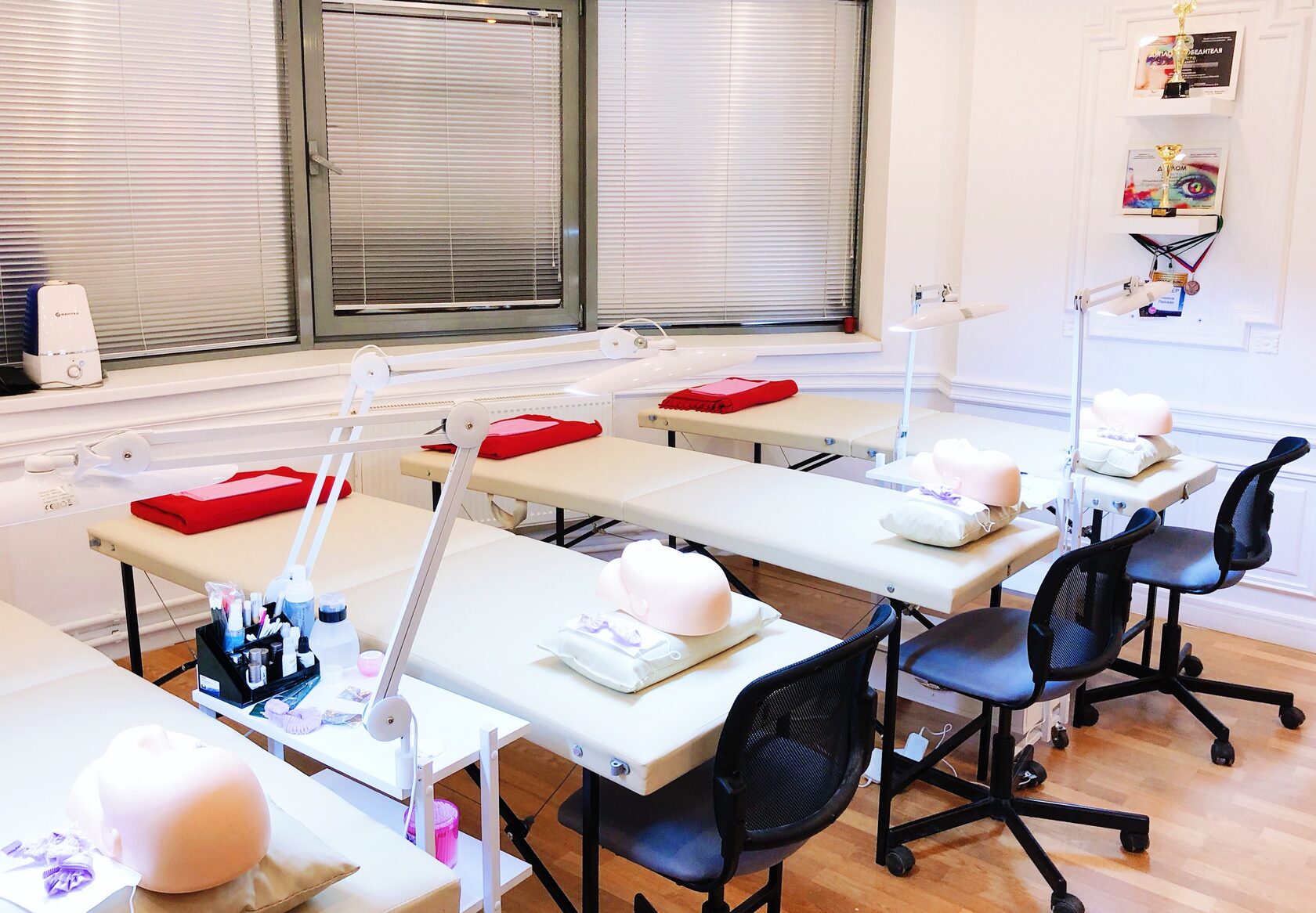
- A lash bed, a table, a lamp, and a chair.
That’s the basic kit. After your first sessions with clients, you’ll figure out on your own which supplies feel most comfortable to work with going forward. For how to set up your workspace properly, read this article.
Step-by-step lash extensions for beginners
Set up your workspace. Everything should be within arm’s reach, on one surface. The more compact and convenient your setup, the faster you’ll work.
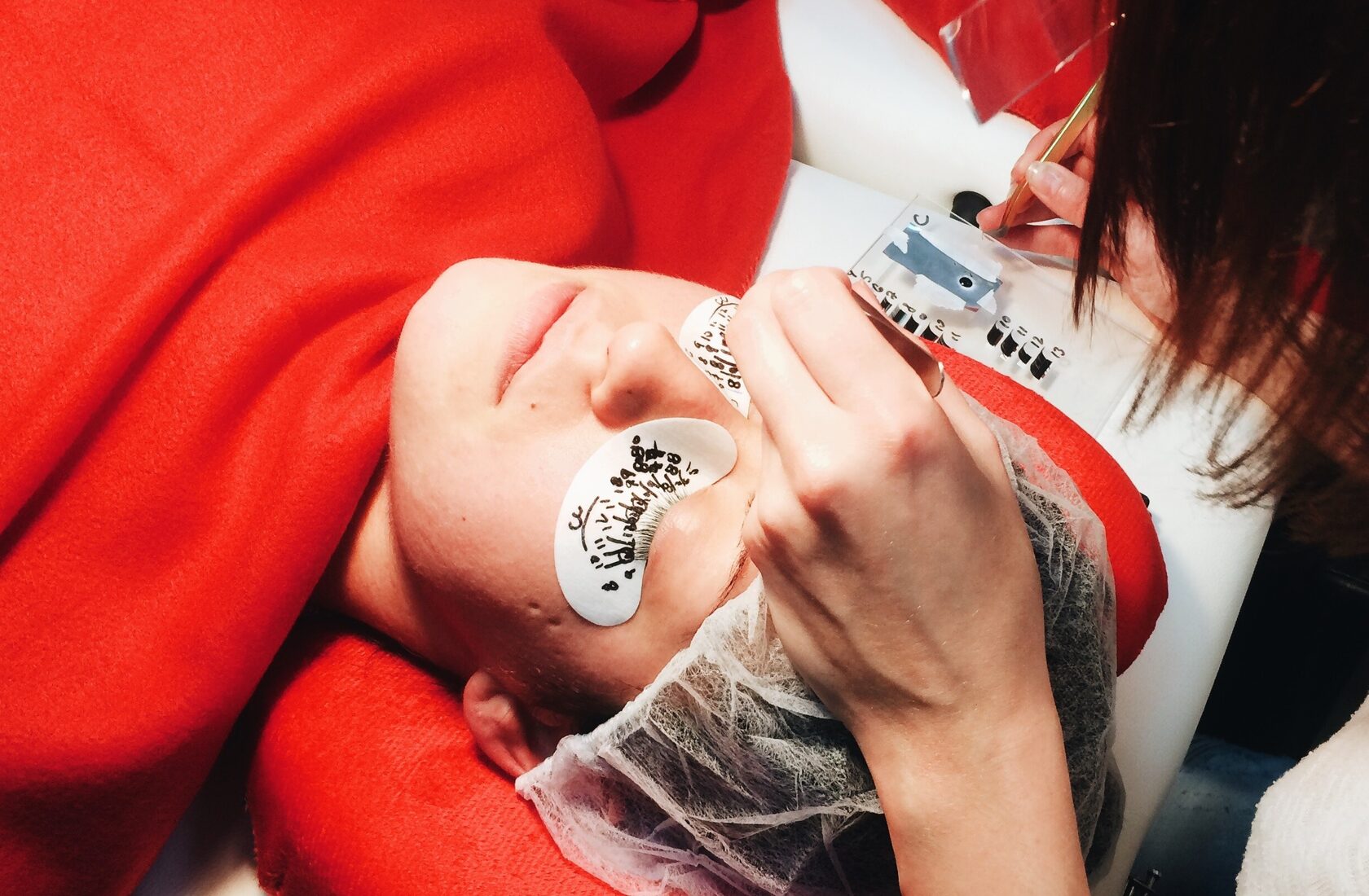
Cover the lower lashes. Tape them down with patches so they don’t get in the way.
Cleanse and prep the natural lashes. Use a cleanser and primer to remove buildup and strengthen the adhesive bond.
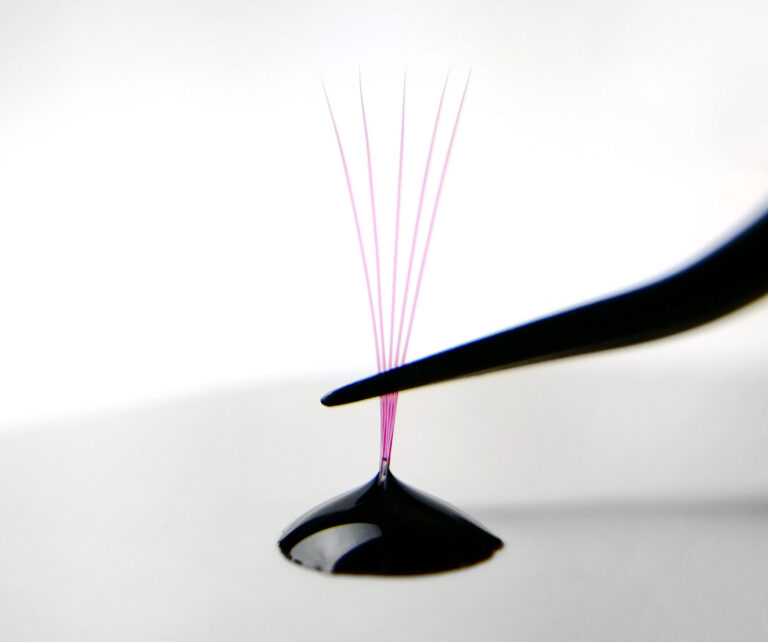
Start with a single lash. First isolate a natural lash with your straight tweezers, then pick up an extension with the curved ones, dip it in adhesive, and set it on the natural lash, leaving a 0.5 mm gap from the lid.
Keep isolating and attaching. Watch out for stickies!
Check your work. Make sure every lash sits evenly, with no twists.
Brush the lashes. Run a spoolie through the finished lashes to lay them in perfect order.
What personal qualities does a lash artist need?
Becoming a true professional takes more than finishing a course and getting your first bit of experience, you also have to keep working on yourself. The qualities a professional lash stylist should have:
Patience. Lash extensions are painstaking work: patience, precision, and a calm head are essential for a new artist. Patience also comes in handy with clients.
Genuine, lasting interest in the work. Forcing yourself to work just for the money won’t last long. You’ll burn out fast, lose interest in the process itself, and clients will feel it during the service. If you’re not sure lash extensions are really for you, the training, effort, and money will all go to waste.
Stamina. Ready to spend half a day sitting? Your back and neck will be under constant strain, and you need to be prepared for that.
Well-developed fine motor skills. Working with tiny objects like lash extensions takes very nimble hands. If you love working with small details and making things by hand, then being a lash stylist is exactly what you’re looking for!
Our tips for beginners at the very start of the journey
Don’t be afraid of mistakes! Every artist started out making them. What matters is analyzing them and drawing conclusions.
Practice regularly. The more you practice, the faster confidence comes.
Watch video lessons. Learn new things and review the theory to lock in your knowledge.
Protect your health. Mind your posture, and do exercises for your back and neck.
Believe in yourself! You’ll absolutely get there, no doubt about it!
See also: the history of false lashes and lash extensions, and whether you can drink alcohol before your appointment.
You might also like
Remover Balls Up Into White Clumps: What to Do?
Common Lash Extension Mistakes
How Often Should You Refresh the Adhesive Drop?
Men’s lash extensions: how to define the eyes and keep them masculine
Everything About Brown Lash Extensions
Disinfecting and Sterilizing Lash Tweezers
Why Volume Fans Fall Apart
The Best Surface for Your Adhesive Drop
Your Client’s Eyelids Keep Twitching: What to Do?
Why Do Eyes Get Red After Lash Extensions?
Mistakes When Cleansing Lashes Before Application

How to Choose a Lash Curl
How to Make Lash Extensions Last Longer

Online Lash Training: The Pros and Cons
Lash Remover: Which Type to Choose
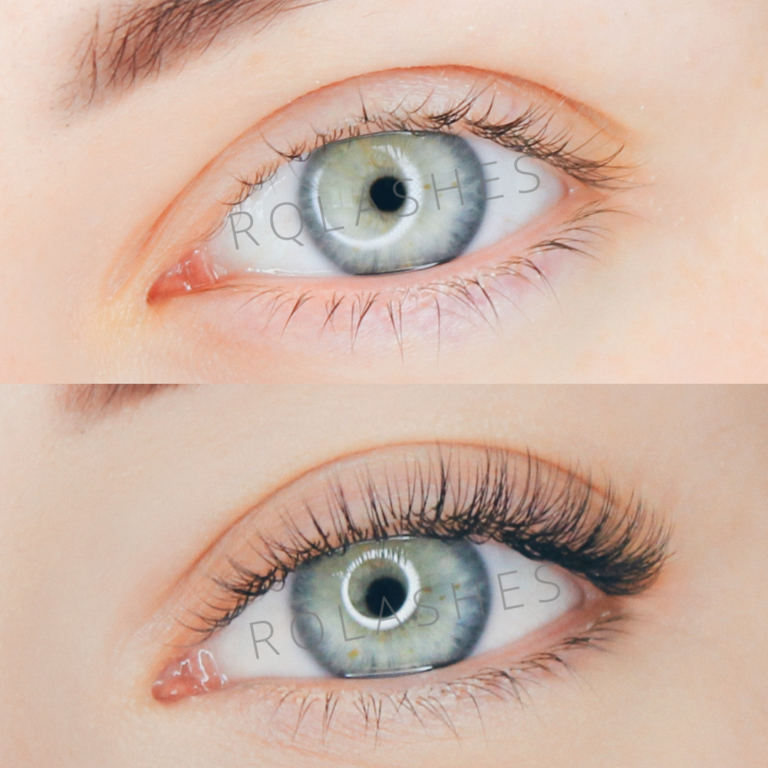
Are Classic Lash Extensions Still Trending?

Why Your Client’s Eyes Water, and Why It Matters
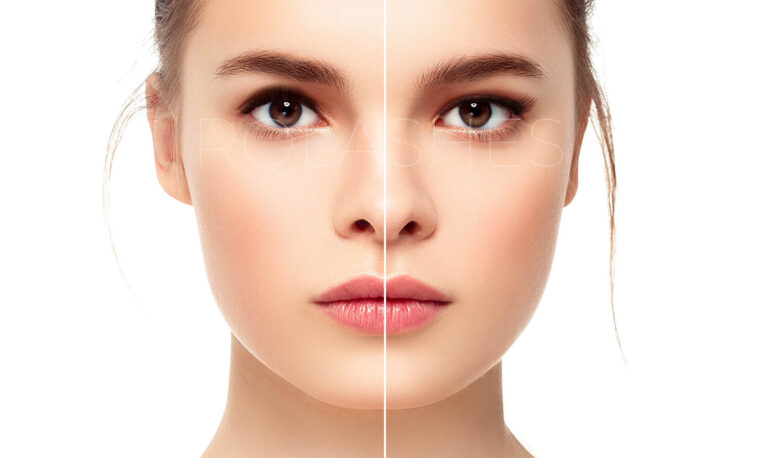
The Main Lash Extension Effects
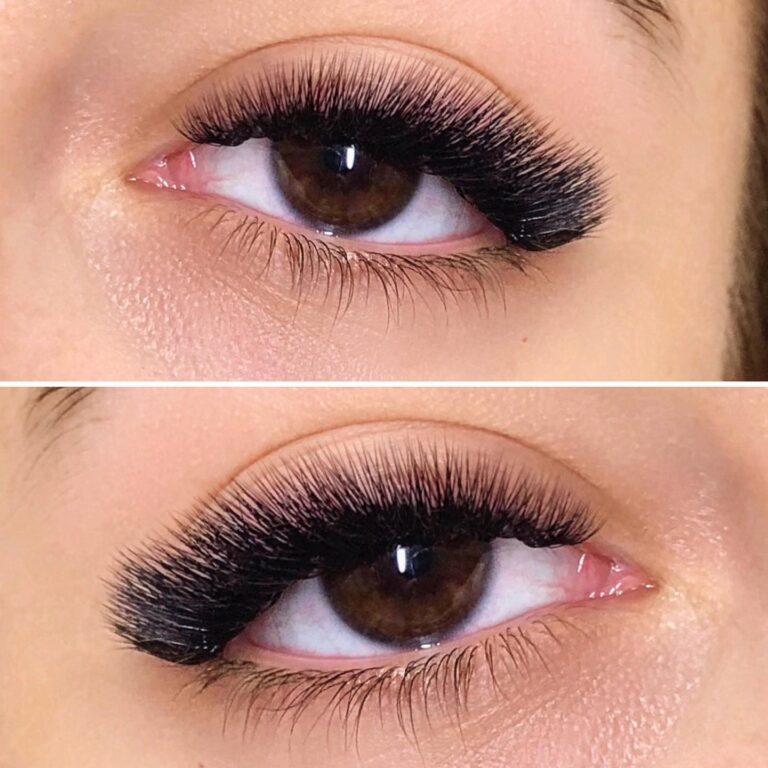
The Squirrel Effect in Lash Extensions (Diagrams and Photos)
The Best Lash Adhesive: How to Choose
Types of Lash Tweezer Sterilization Equipment
How to Choose the Best Lash Tweezers

What Causes Allergies in Lash Extensions?
How Deep to Dip the Lash in Adhesive
The Cat Eye Lash Effect

7 Ways Lash Artists Can Protect Their Eyesight
The Natural Lash Effect
How to Choose the Best Lashes for Extensions
Lash Primer, Cleanser, Accelerator, and Bonder: When You Need Them and How to Choose