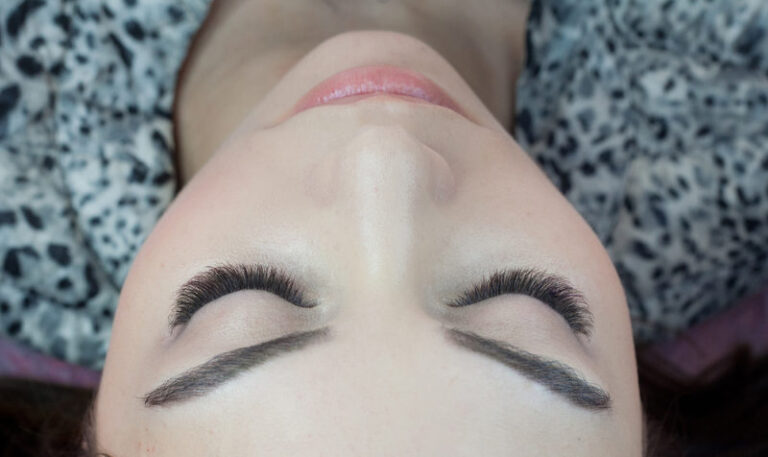
Light directly affects how fast and how cleanly you work — and bad light also damages your eyesight over time. Let’s break down what good lighting looks like and what to do when it works for you but bothers your client.
Power: 24 W and up. A well-lit workspace takes a single lamp or several lamps with a combined output of at least 24 W — more is better. There’s no point in cutting corners here: extra brightness solves several problems at once, which we’ll get to below.
LED lamps only. Always choose LED. Unlike gas-filled bulbs, they contain no mercury, which is hazardous if a bulb breaks, and their flicker rate is much easier on your eyes.
Color temperature: neutral white. Pay attention to the tint of the light. Yellowish light makes it harder to see fine detail, and bluish light tires your eyes faster. The sweet spot is neutral white.
Reflector and lamp shape. The reflector must not be transparent or translucent, and ideally the bulbs should not stick out past its edge: an exposed bright source hits you straight in the eyes. The best reflector shape is narrow and elongated, positioned along your working area. A clamp mount for adjusting the lamp’s position is a must.
How to tell your light is actually good. There are 4 signs:
1. Shadows from your hands stop falling on the working area.
2. Both the client’s eyes and your supply area are equally well lit.
3. Your eyes are noticeably less tired by the end of the day.
4. You no longer need to keep repositioning the lamp or feel the urge to pull it as close to the client’s eyes as possible.
If direct light bothers your client even with their eyes closed, the lamp is sitting right above their eyes. That’s exactly what happens with a weak lamp — you try to squeeze more light out of it by moving it closer. The fix is proper lighting with power to spare: then you can move the lamp farther away while keeping excellent illumination and not irritating the client’s eyes.
Some people simply cannot tolerate light falling on their face: the reaction is eyelid tremors and watery eyes. They force you to dim your working area at the expense of your own eyes. That situation can be a legitimate reason to turn down the appointment — your eyesight matters more.
In short: get a powerful neutral-white LED lamp with a closed, narrow reflector on a clamp mount, and use the extra brightness to keep the lamp farther from your client’s eyes — not right above them.
See also: how to choose a lash bed and chair, how to choose a comfortable pillow for your client.
You might also like
Common Lash Extension Mistakes
Lash Remover: Which Type to Choose
Men’s lash extensions: how to define the eyes and keep them masculine

How Lash Extensions Are Made, Step by Step
The Cat Eye Lash Effect

Why Your Client’s Eyes Water, and Why It Matters

How to Choose a Lash Curl
How to Choose the Volume
Why Do Eyes Get Red After Lash Extensions?

7 Ways Lash Artists Can Protect Their Eyesight
How Deep to Dip the Lash in Adhesive
Under-Eye Pads for Lash Extensions
The Squirrel Effect in Lash Extensions (Diagrams and Photos)
Prepping the Natural Lashes and the Extensions Before Application

Disinfecting and Sterilizing Lash Tweezers
How Often Should You Refresh the Adhesive Drop?
Lash Extensions for Beginners: Where to Start and What You Need
How to Choose the Best Lashes for Extensions
The Main Lash Extension Effects
How to Choose the Best Lash Tweezers

What Causes Allergies in Lash Extensions?
Mistakes When Cleansing Lashes Before Application
Remover Balls Up Into White Clumps: What to Do?
Lash Primer, Cleanser, Accelerator, and Bonder: When You Need Them and How to Choose
Types of Lash Tweezer Sterilization Equipment
The Wispy Lash Effect

Online Lash Training: The Pros and Cons
Are Classic Lash Extensions Still Trending?
Everything About Brown Lash Extensions