A comfortable setup saves you hours of work and protects your back. Your lash bed and chair are the heart of it: they decide whether you can sit close enough to your client and still work without strain.
The lash bed
Height should always match your own height. Foldable massage tables work great as lash beds. As a guide: up to 26 inches (65 cm) if you are on the shorter side, and up to 30 inches (75 cm) if you are taller than average. Ideally, sit down and actually test which height feels right for you. Length is usually standard, around 6.5 feet (2 meters). A face hole is unnecessary for lash work, but it does not get in the way either.
Crossbars between the legs are a make-or-break detail. On your side of the bed, any crossbars should sit as low as possible and stay clear of your legs, so you can roll your chair right up to the edge of the bed. If you can’t get close, you can’t work properly.
Width solves the problem of where to put your supplies. The standard 24 to 26 inches (60 to 65 cm) forces you to shift the client to one side to free up space for your tile and adhesive, which leaves both of you cramped. A better option is a bed 28 to 31 inches (70 to 80 cm) wide: the client is more comfortable, and you have room for your materials.
The best choice is a steel frame without cables. It gives you a safety margin with plus-size clients and won’t bother them with the light creaking that cable-based models sometimes make.
The lash artist’s chair
Check which direction the height adjustment leaves you room to go. If you are taller than average, you need extra range downward; if you are shorter, upward. Seat firmness is personal, but for long appointments a medium-firm seat is usually the most comfortable.
Armrests must not get in your way. They help during breaks, but they should never hit the edge of the lash bed and stop you from getting as close as you need. If the armrests keep you from rolling in, lower the chair and make up the height with cushions (dedicated seat cushions work well). Many lash artists simply find chairs without armrests more comfortable.
The backrest should sit at your lower back. That’s the only way it actually takes the load off your lumbar muscles while you work, not just when you lean back to rest. For that, the seat needs to be short enough that you touch the backrest in any position. Dedicated esthetician and medical stools usually deliver this — office chairs usually don’t.
A footrest. If your feet don’t reach the floor at your comfortable chair height, get a footrest: bracing your feet against it removes that feeling of sliding off the chair. In fact, a footrest is a good idea with any chair — your legs go numb far less during long sittings.
In short: pick a lash bed that matches your height, with low or no crossbars, on the wider and sturdier side; and a chair with the right adjustment range, proper lumbar support, and a footrest. That’s your foundation!
See also: how to choose the right lighting, how to choose a comfortable pillow for your client.
You might also like
Everything About Brown Lash Extensions
The Squirrel Effect in Lash Extensions (Diagrams and Photos)

What Causes Allergies in Lash Extensions?
Common Lash Extension Mistakes
Your Client’s Eyelids Keep Twitching: What to Do?
Lash Extension Volumes Explained
The Best Surface for Your Adhesive Drop
The Cat Eye Lash Effect
Mistakes When Cleansing Lashes Before Application

How to Choose the Volume
Disinfecting and Sterilizing Lash Tweezers
How to Tame Lash Extension Glue: Top Artists Secrets
How to Set Up Your Lash Workstation

How to Choose the Best Lashes for Extensions
Lash Extensions for Beginners: Where to Start and What You Need
How to Choose the Best Lash Tweezers
The Real History of False Lashes and Lash Extensions
How Often Should You Refresh the Adhesive Drop?
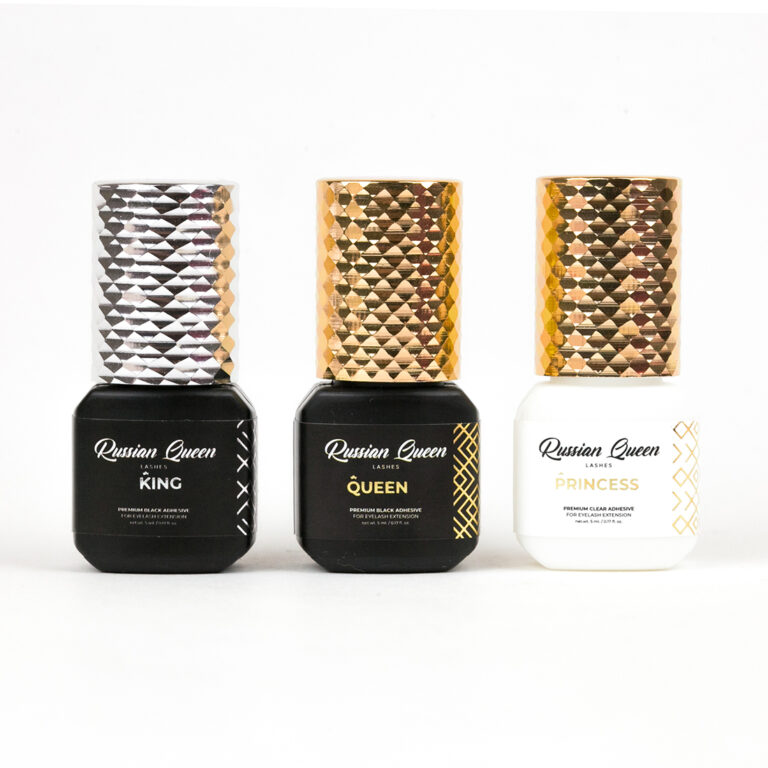
The Best Lash Adhesive: How to Choose

Why Your Client’s Eyes Water, and Why It Matters
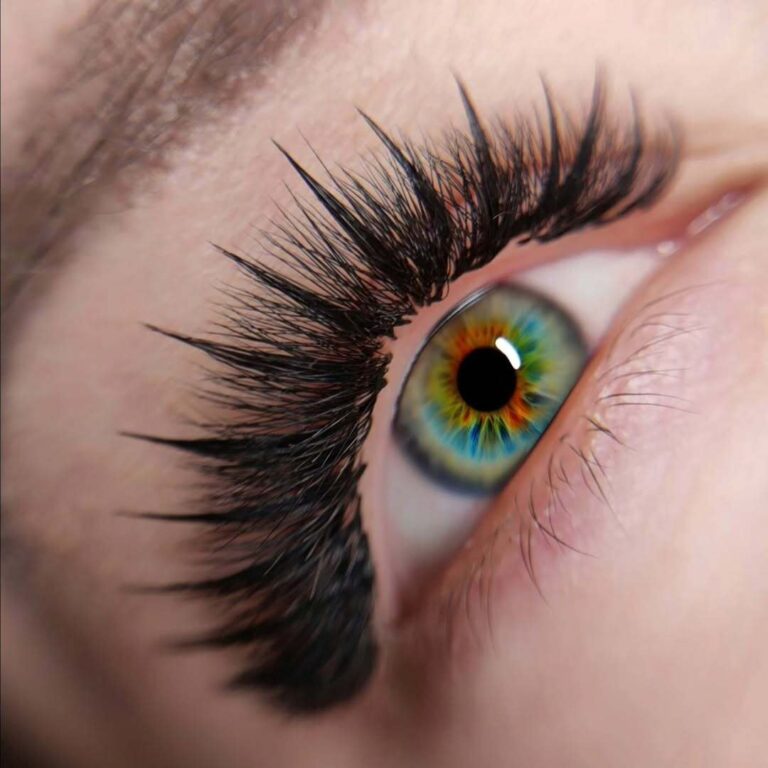
The Wispy Lash Effect
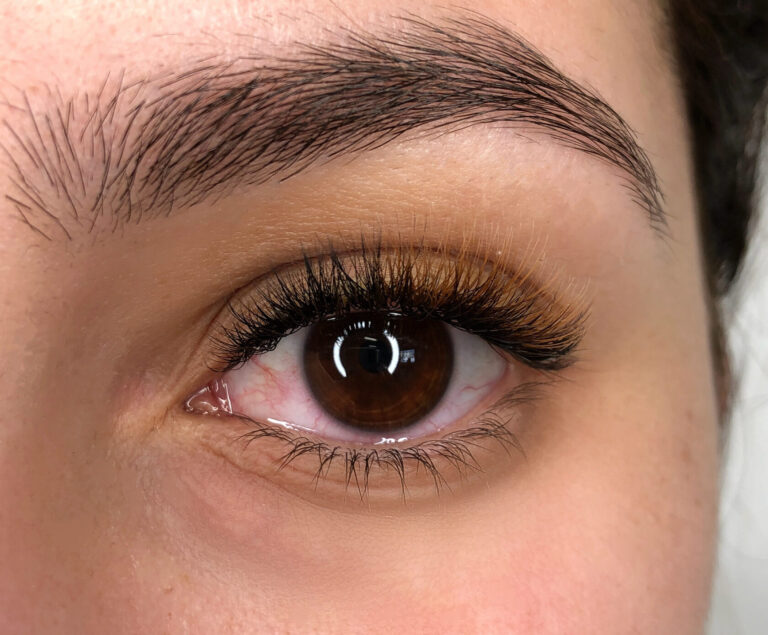
Why Do Eyes Get Red After Lash Extensions?
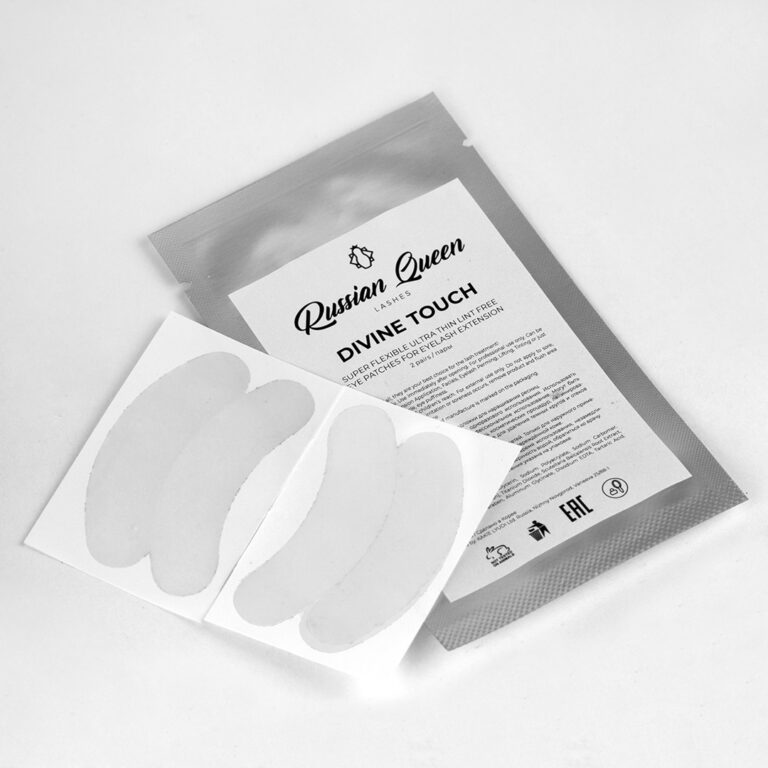
Under-Eye Pads for Lash Extensions
Lash Primer, Cleanser, Accelerator, and Bonder: When You Need Them and How to Choose
Why Volume Fans Fall Apart

How to Make Lash Extensions Last Longer
The Difference Between an Allergy and Irritation After Lash Extensions
How Deep to Dip the Lash in Adhesive
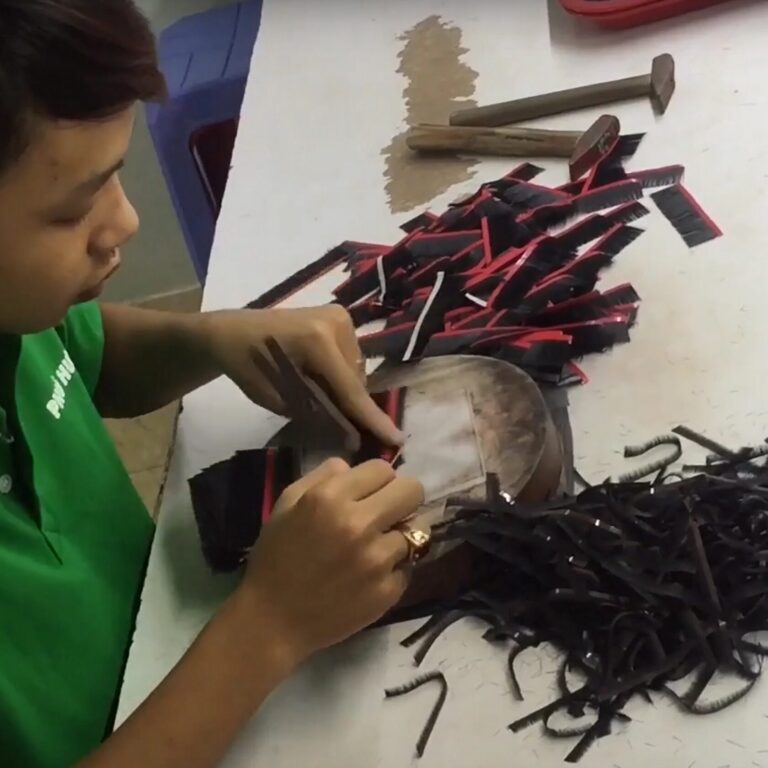
How Lash Extensions Are Made, Step by Step